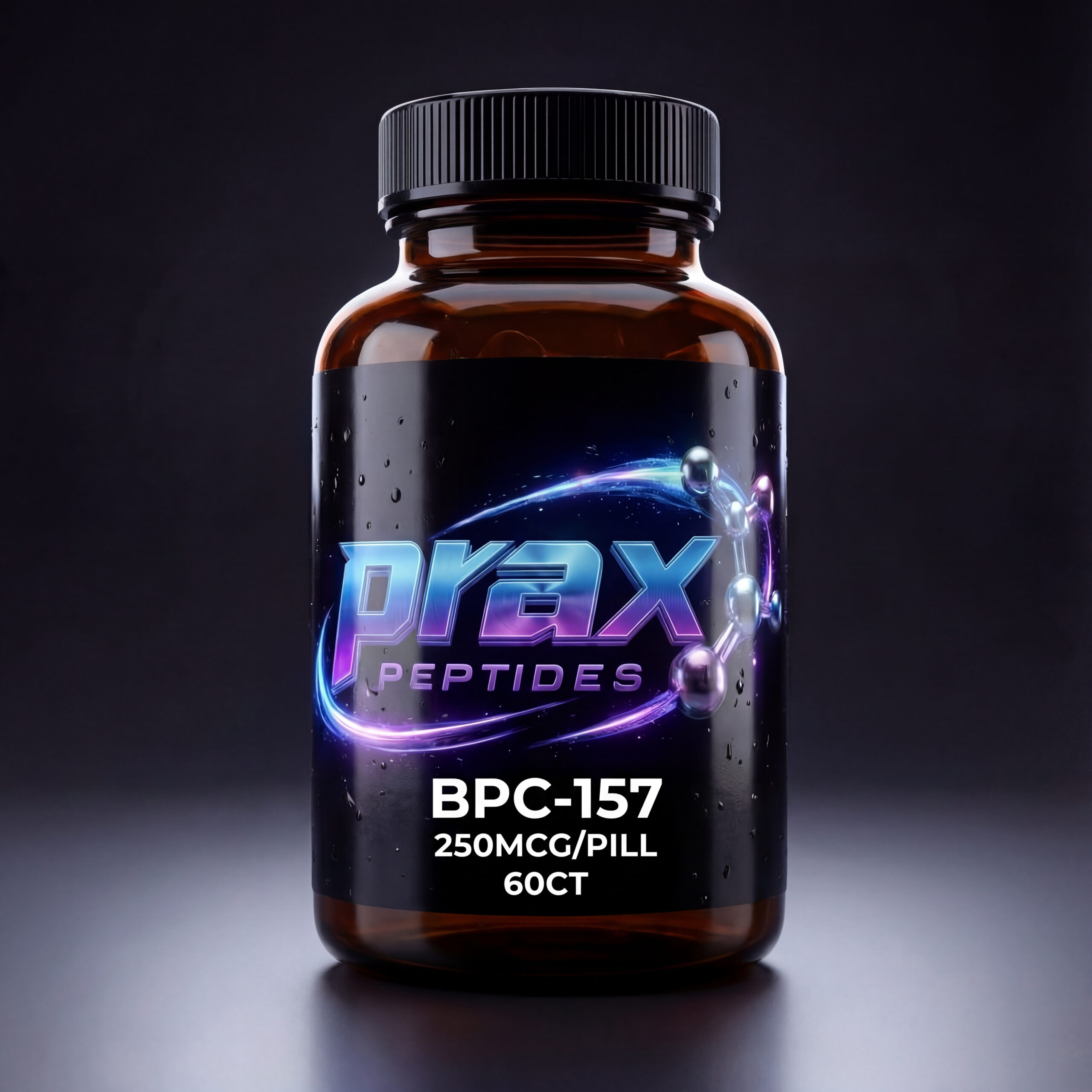
BPC-157 (250MCG)
Vial
- LC-526 Metabolic Complex
- Epitalon 10MG
- SSJ-9 Amino Matrix
- Acetic Acid Solution
- Survodutide 10MG
- SELANK
- Mazdutide 10MG
- L-Glutathione 1500MG
- HCG 10000iu
- Cerebrolysin 60MG
- BAC Water 30ML
- GLOW 70MG
- KLOW 80 – GHK-Cu (50mg) / KPV (10mg) / BPC-157 (10mg) / TB500 (10mg)
- Tesamorelin (10MG)
- NAD+
- Reta GLP-3R
- BPC-157 (10MG)
- Cagrilintide Tre
- FOXO4-DRI (10MG)
- Testagen (20MG)
- SS-31 (10MG)
- Kisspeptin-10 (10MG)
- Thymalin (10MG)
- GHK-Cu (100MG)
- DSIP (5MG)
- Wolverine Blend (10MG)
- BAC Water (3ML)
- Ipamorelin (10MG)
- TB-500 (10MG)
- BAC Water (10ML)
- AOD-9604 (5MG)
- Ipamorelin / CJC-1295 No Dac 10mg
- MOTS-C (10MG)
- CJC-1295 (10MG)
- PT-141 (10MG)
- Tirz GLP-2 (10MG)
BPC-157 (Body Protection Compound-157) is a synthetic peptide composed of 15 amino acids, derived from a naturally occurring protective protein identified in human gastric juice. It has been widely investigated in experimental research settings for its potential biological activity. Preclinical studies describe its role in supporting tissue repair processes, including effects on muscle, tendon, ligament, and gastrointestinal tissues. Research has also explored its association with inflammatory modulation and recovery mechanisms following tissue stress or injury. because to these observed biological actions, BPC-157 has attracted considerable scientific interest; however, it remains designated strictly for research purposes and is not approved for clinical use.
Introduction
Experimental studies have explored the Involvement of BPC-157 in biological processes related to tissue repair, inflammatory modulation, and wound recovery across multiple body systems. Research models indicate potential effects on musculoskeletal structures such as muscles, tendons, and ligaments, as well as on neural and gastrointestinal tissues.
A frequently investigated mechanism is its association with angiogenesis, a process critical for restoring blood supply to damaged tissues by facilitating the formation of new blood vessels. Adequate vascularization supports oxygen and nutrient delivery, which is essential for tissue recovery. In gastrointestinal research models it has been examined for its interaction with mucosal integrity, including its potential to reduce damage associated with nonsteroidal anti-inflammatory drug exposure and to support gastric barrier function.
Neurological research has further examined its involvement in neuroprotective pathways. Animal-based studies suggest potential effects on nerve repair mechanisms and recovery processes following experimental models of traumatic brain and spinal cord injury. Additional investigations have assessed its influence on neurotransmitter regulation, indicating possible relevance to neural signaling balance.
Current findings are derived primarily from preclinical and experimental research settings. Further controlled human studies are necessary to clarify safety parameters, long term outcomes, and any potential translational relevance within clinical research frameworks.