Important Notice: PT-141 (Bremelanotide) and all compounds discussed in this article are intended for research purposes only. This content is for educational and informational use and does not constitute medical advice. Consult a qualified healthcare professional before making any medical decisions.
If you have ever searched for “what is PT-141,” “PT-141 peptide benefits,” or “bremelanotide research,” you are not alone. PT-141 has become one of the most widely discussed research peptides in the scientific community, drawing attention for its unique mechanism of action and broad range of potential applications. Unlike traditional compounds that act on the vascular system, PT-141 works directly through the central nervous system — making it a fundamentally different tool for researchers studying sexual health, neurological signaling, and melanocortin receptor pathways.
In this comprehensive guide, we break down everything researchers need to know about PT-141: how it works, what the science says, how it compares to other research compounds, and where it fits in the broader peptide research landscape.
Free Tool
Peptide Reconstitution Calculator
Convert vial strength, water volume, and desired dose into precise syringe units. Works for BPC-157, TB-500, GHK-Cu, and all research peptides.
Try the Calculator →What Is PT-141 (Bremelanotide)?
PT-141, also known as bremelanotide, is a synthetic peptide analog of alpha-melanocyte-stimulating hormone (α-MSH). It was originally derived from Melanotan II (MT-2) research, where scientists discovered that one of MT-2’s metabolites had potent effects on melanocortin receptors — specifically the MC3R and MC4R subtypes found in the brain and central nervous system.
What makes PT-141 unique among research peptides is its mechanism of action. While many compounds that affect sexual function work through vascular pathways (increasing blood flow), PT-141 activates melanocortin receptors in the hypothalamus. This central nervous system approach means PT-141 addresses desire and arousal at the neurological level rather than simply the physiological level.
The FDA approved a version of bremelanotide (Vyleesi) in 2019 for hypoactive sexual desire disorder (HSDD) in premenopausal women, marking it as the first melanocortin receptor agonist approved for this indication. This approval validated years of preclinical and clinical research into PT-141’s mechanism of action.
How PT-141 Works: The Melanocortin System
To understand why researchers are so interested in PT-141, it helps to understand the melanocortin system — a network of receptors and signaling pathways that plays a role in an extraordinary range of biological functions.
The Melanocortin Receptors
There are five melanocortin receptor subtypes (MC1R through MC5R), each with distinct tissue distributions and functions. PT-141 primarily targets MC3R and MC4R, which are concentrated in the brain, particularly the hypothalamus. These receptors regulate sexual behavior, energy balance, feeding behavior, inflammation, and cardiovascular function. When PT-141 binds to these receptors, it initiates downstream signaling cascades that influence arousal, motivation, and autonomic nervous system activity.
Central vs. Peripheral Action
This is the critical distinction that separates PT-141 from other compounds studied in sexual health research. PDE5 inhibitors work peripherally by relaxing smooth muscle and increasing blood flow. PT-141, by contrast, acts centrally — directly in the brain. This means it modulates the desire and arousal pathways themselves rather than simply enabling a physiological response. For researchers studying the neuroscience of sexual behavior, this makes PT-141 an invaluable pharmacological tool.
Research-Backed Benefits and Applications of PT-141
Preclinical and clinical studies have explored PT-141 across several domains. While research is ongoing and not all findings are conclusive, the following areas represent the most actively investigated applications.
1. Sexual Health Research — Male and Female Models
PT-141 has been studied in both male and female research subjects for its effects on sexual desire and arousal. In clinical trials leading to the FDA approval of Vyleesi, bremelanotide demonstrated statistically significant improvements in sexual desire scores and reductions in distress related to low sexual desire in premenopausal women with HSDD.
In male research subjects, earlier clinical studies showed that PT-141 could induce erections in men with erectile dysfunction — including some who did not respond to PDE5 inhibitors. This finding was particularly significant because it suggested a completely different therapeutic pathway for sexual dysfunction that does not depend on vascular function.
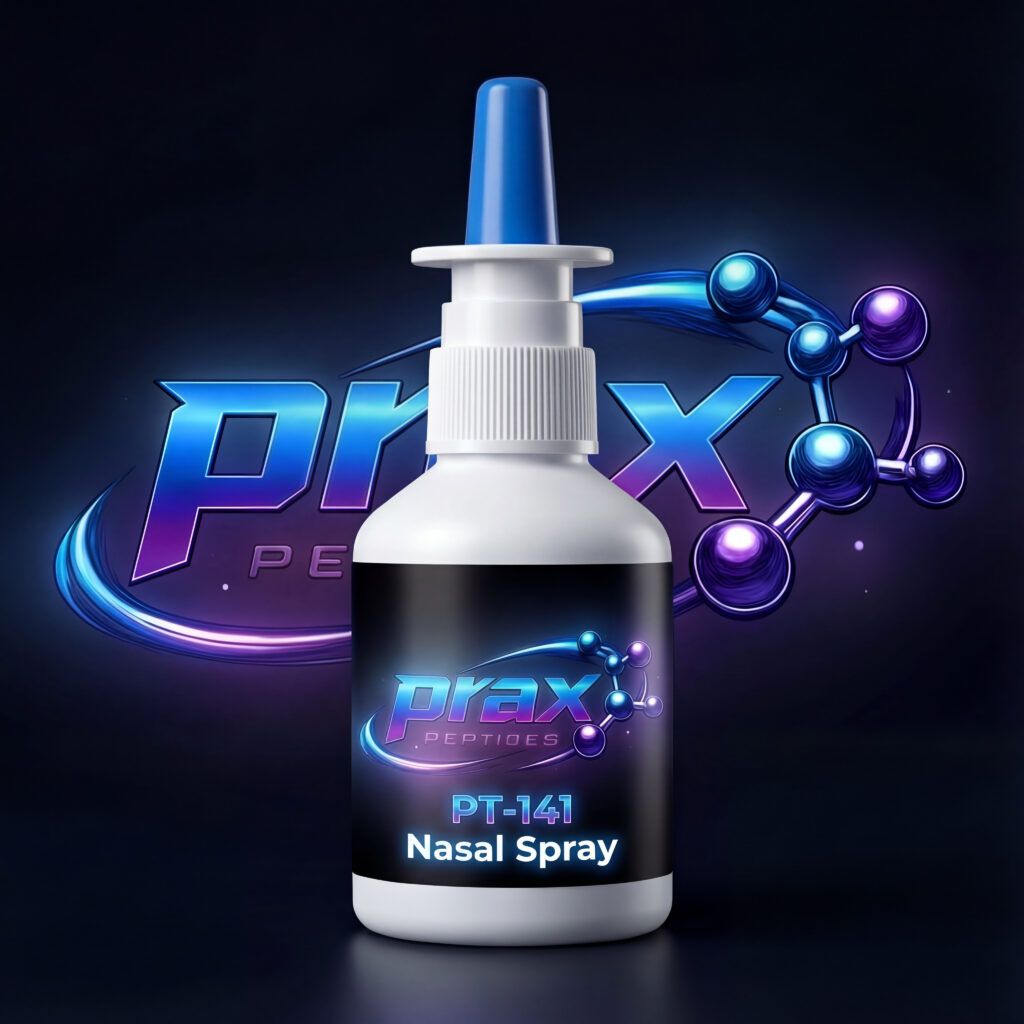
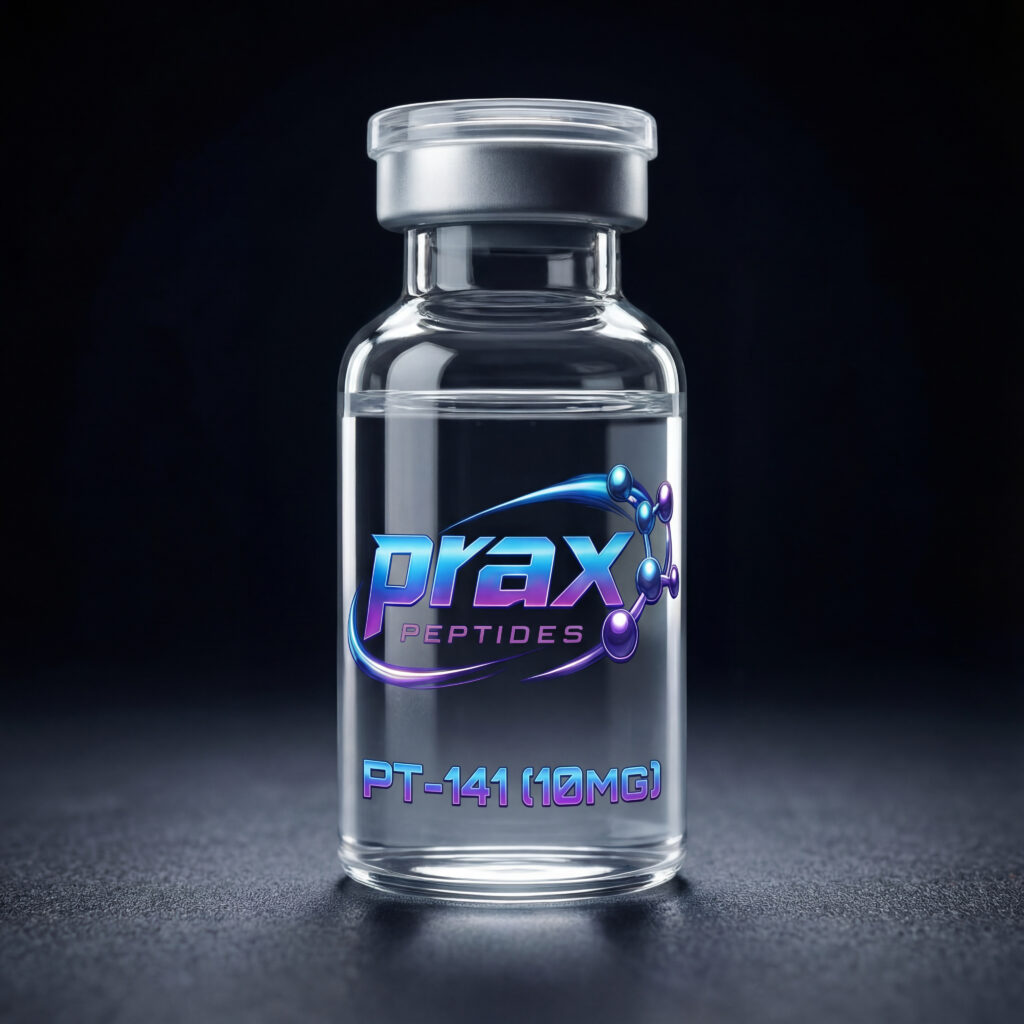
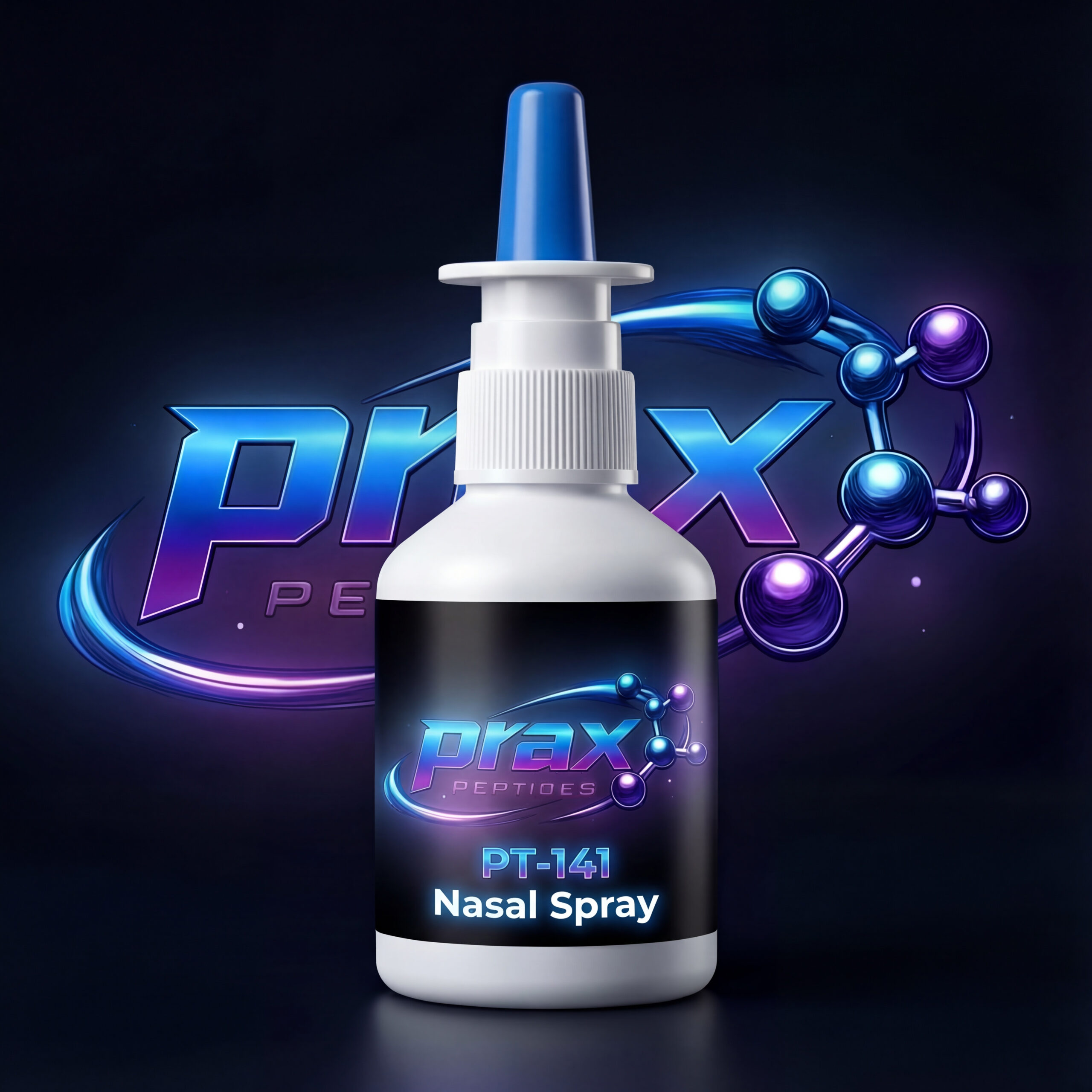
Researchers studying sexual health peptides often explore PT-141 alongside our PT-141 (10MG) injectable formulation or the convenient PT-141 Nasal Spray (10MG) for different administration route studies.

2. Melanocortin System and Energy Regulation
The MC3R and MC4R receptors targeted by PT-141 are deeply involved in energy homeostasis and metabolic regulation. Preclinical research has demonstrated that melanocortin signaling influences feeding behavior, energy expenditure, and body composition. While PT-141 is primarily studied for sexual health applications, its interaction with these metabolic pathways represents an active area of investigation.
MC4R mutations are one of the most common monogenic causes of obesity in humans, which underscores the importance of this receptor system in metabolic research. PT-141’s ability to activate MC4R makes it a useful research tool for studying these pathways in controlled experimental settings.
3. Neurological and Mood Research
Melanocortin receptors in the brain do not only regulate sexual behavior and metabolism — they also influence mood, motivation, and stress responses. Preclinical studies have suggested that MC4R activation may have anxiolytic and antidepressant-like effects in animal models. While PT-141 has not been specifically developed for these indications, its central nervous system activity makes it relevant to researchers studying the intersection of melanocortin signaling and affective disorders.
4. Inflammation and Immune Modulation
Alpha-MSH and its analogs, including compounds in the PT-141 lineage, have demonstrated anti-inflammatory properties in preclinical models. Melanocortin receptor activation can suppress pro-inflammatory cytokines and modulate immune cell activity. This has implications for research into inflammatory conditions, tissue repair, and immune regulation.
For researchers investigating anti-inflammatory and tissue repair pathways, this connects PT-141 research to complementary compounds like GHK-Cu (100MG), which is studied extensively for its role in tissue remodeling, collagen synthesis, and anti-inflammatory signaling.

PT-141 and Related Melanocortin Compounds: How They Compare
Understanding PT-141 in context requires comparing it with related compounds, particularly Melanotan II (MT-2), from which PT-141 was derived.
PT-141 vs. Melanotan II (MT-2)
Melanotan II is a broader-acting melanocortin receptor agonist that activates MC1R through MC5R. It was originally developed for tanning research — MC1R activation stimulates melanogenesis (skin pigmentation). However, researchers quickly noticed that MT-2 also produced sexual arousal effects, which led to the isolation and development of PT-141 as a more targeted compound.
The key differences between PT-141 and MT-2 in research contexts include receptor selectivity (PT-141 is more selective for MC3R/MC4R, while MT-2 activates all five receptor subtypes), pigmentation effects (MT-2 causes significant tanning through MC1R activation, while PT-141 has minimal pigmentation effects), and appetite suppression (MT-2 tends to produce more pronounced appetite reduction due to its broader receptor profile).
For researchers studying melanocortin receptor subtype specificity, having access to both PT-141 and MT-2 allows for comparative studies that can help isolate which receptor subtypes are responsible for specific biological effects.
PT-141 vs. PDE5 Inhibitors in Research
From a research perspective, the comparison between PT-141 and PDE5 inhibitors highlights fundamentally different biological mechanisms. PDE5 inhibitors (such as sildenafil) work by preventing the breakdown of cyclic GMP in penile smooth muscle, enabling vasodilation and erection in response to existing sexual stimulation. PT-141, by contrast, acts upstream — at the level of central nervous system arousal and desire signaling.
This distinction is particularly important in research because it means PT-141 may be effective in subjects where vascular approaches fail, such as in cases involving neurological, psychological, or hormonal contributors to sexual dysfunction.
GHK-Cu: The Tissue Repair and Anti-Aging Research Peptide
While PT-141 targets the melanocortin system, GHK-Cu represents a completely different but equally fascinating area of peptide research. GHK-Cu (glycyl-L-histidyl-L-lysine copper complex) is a naturally occurring copper peptide that has been studied for decades for its remarkable effects on tissue repair, wound healing, and gene expression.
How GHK-Cu Works
GHK-Cu is a tripeptide-copper complex that occurs naturally in human plasma, saliva, and urine. Plasma levels of GHK-Cu decline significantly with age — from approximately 200 ng/mL at age 20 to 80 ng/mL by age 60. This decline correlates with reduced regenerative capacity and increased visible signs of aging.
Research has shown that GHK-Cu can modulate the expression of over 4,000 human genes — roughly 6% of the human genome. Many of these genes are involved in tissue repair, stem cell activity, antioxidant defense, and anti-inflammatory signaling. This broad gene-regulatory activity is what makes GHK-Cu so compelling to researchers across multiple disciplines.
Key Research Applications of GHK-Cu
Skin regeneration and wound healing studies have shown that GHK-Cu can stimulate collagen synthesis, promote angiogenesis (new blood vessel formation), and accelerate wound closure in preclinical models. Hair follicle research has found that GHK-Cu may enlarge hair follicles and stimulate hair growth — connecting it to the broader hair loss research landscape alongside compounds like minoxidil and finasteride. Anti-inflammatory research demonstrates that GHK-Cu suppresses inflammatory markers including TNF-α and IL-6, making it relevant to tissue repair and chronic inflammation studies.
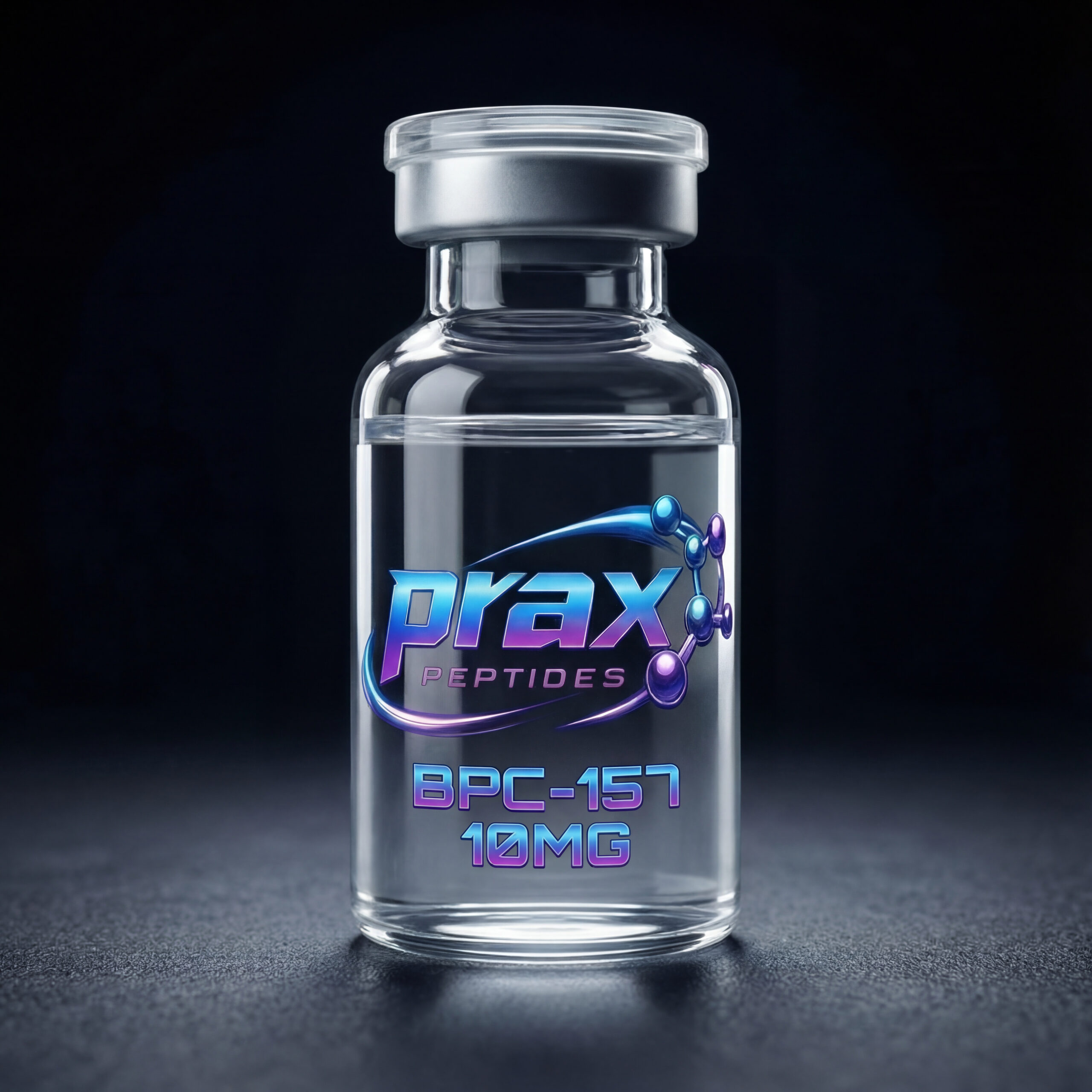
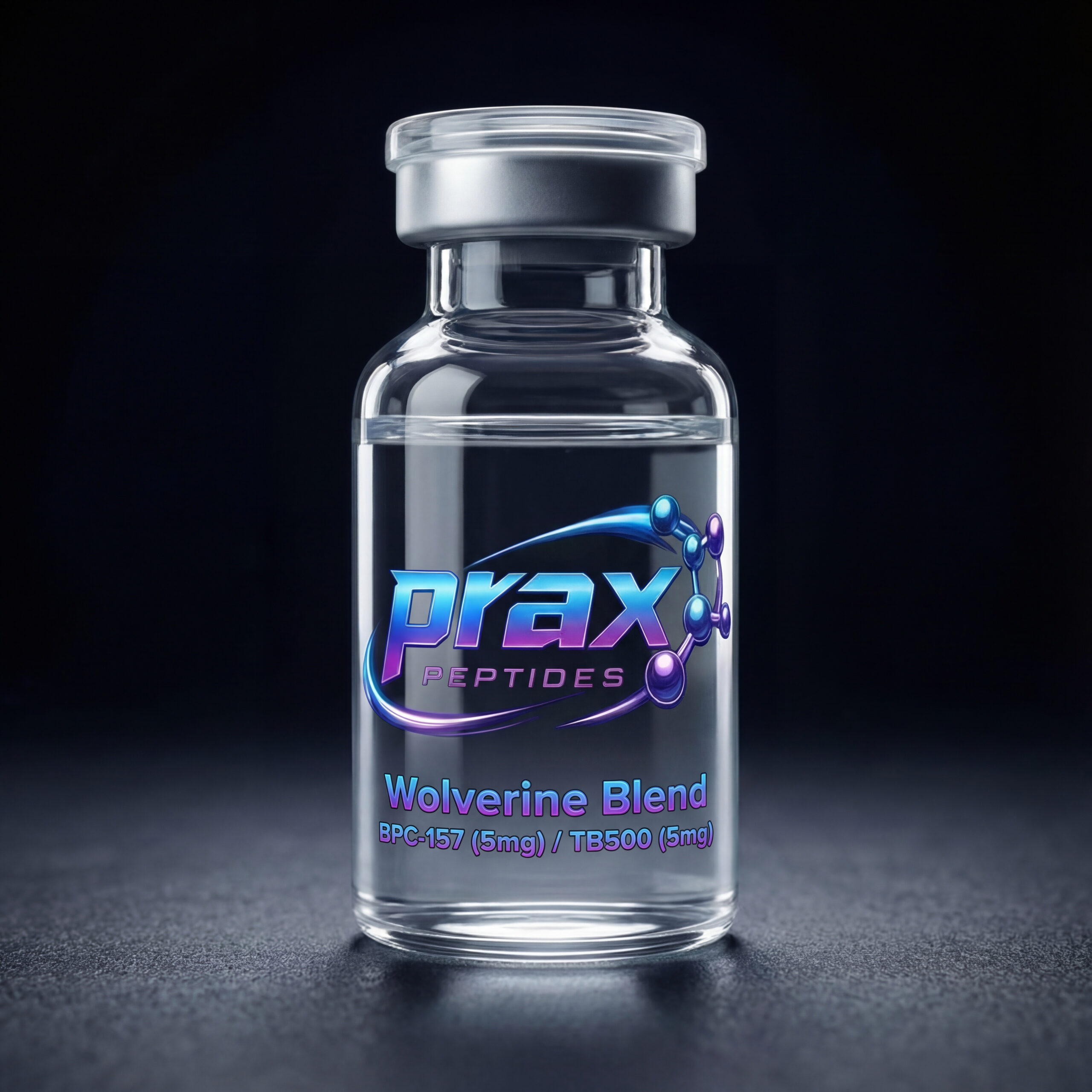
For researchers studying tissue repair comprehensively, combining GHK-Cu with other repair-focused compounds offers interesting experimental designs. BPC-157 (10MG) is studied for gut healing and tissue repair through different mechanisms, while the Wolverine Blend (BPC-157/TB-500) combines two of the most studied tissue repair peptides.
Melanotan II (MT-2): Tanning, Melanocortin Activation, and Beyond
As the parent compound from which PT-141 was derived, Melanotan II (MT-2) deserves its own discussion. MT-2 is a cyclic heptapeptide analog of α-MSH that activates all five melanocortin receptor subtypes. This broad receptor profile gives MT-2 a wider range of biological effects compared to PT-141’s more targeted approach.
How MT-2 Works
MT-2’s primary mechanism involves binding to MC1R on melanocytes — the cells responsible for producing melanin. When MC1R is activated, it triggers a signaling cascade that increases eumelanin production, resulting in skin darkening. This tanning effect occurs independently of UV exposure, which is why MT-2 has attracted significant research interest in dermatological and photoprotection studies.
Beyond MC1R, MT-2 also activates MC3R, MC4R, and MC5R, producing effects on sexual arousal (via MC3R/MC4R), appetite regulation (via MC4R), and lipid metabolism (via MC5R). This multi-receptor activity makes MT-2 a valuable but complex research tool.
Key Research Applications of MT-2
Melanogenesis and skin pigmentation research uses MT-2 to study melanocyte biology, UV protection mechanisms, and pigmentation disorders. Photoprotection studies investigate whether MT-2-induced melanin production could provide protective benefits against UV-induced DNA damage. Metabolic research leverages MT-2’s MC4R agonism to study feeding behavior, energy expenditure, and body composition in preclinical models. Sexual function research, while largely transitioned to PT-141 for targeted studies, still uses MT-2 for broader melanocortin pathway investigations.
Potential Side Effects and Considerations in Research
No comprehensive research guide would be complete without discussing potential adverse effects and important safety considerations.
PT-141 Known Side Effects
Clinical trials with bremelanotide reported nausea as the most common side effect (approximately 40% of subjects in pivotal trials), along with flushing, headache, and transient increases in blood pressure. The nausea was generally mild to moderate and occurred most frequently after the first dose, with reduced incidence in subsequent administrations. Injection site reactions were reported in subcutaneous administration studies.
MT-2 Considerations
MT-2 research has reported nausea, facial flushing, fatigue, and changes in skin pigmentation (which may be uneven). There have also been case reports of new or changing moles associated with MT-2 use, which warrants careful monitoring in research settings. The long-term effects of sustained melanocortin receptor activation remain an active area of investigation.
GHK-Cu Safety Profile
GHK-Cu has demonstrated a favorable safety profile in published research, which is consistent with its status as a naturally occurring human peptide. Reported side effects have generally been limited to mild injection site reactions in subcutaneous studies. However, as with all research compounds, long-term safety data is limited and researchers should follow appropriate protocols.
Routes of Administration in Research
Different research questions require different administration routes. PT-141 has been studied via subcutaneous injection (the most common route in clinical trials, with predictable pharmacokinetics and reliable absorption) and intranasal administration (offering non-invasive delivery with rapid onset, as used in the approved Vyleesi product). Our PT-141 Nasal Spray provides researchers with an intranasal formulation for this route of investigation.
GHK-Cu research utilizes subcutaneous injection for systemic studies, topical application for skin and wound healing research, and iontophoresis for enhanced transdermal delivery studies.
Frequently Asked Questions About PT-141 Research
What is PT-141 used for in research?
PT-141 (bremelanotide) is primarily used in research studying melanocortin receptor activation, sexual health and arousal pathways, and central nervous system signaling. Its unique mechanism of acting through MC3R/MC4R receptors in the brain — rather than peripheral vascular pathways — makes it a distinct pharmacological tool for studying desire and motivation at the neurological level.
How is PT-141 different from Melanotan II?
PT-141 was derived from MT-2 but is more selective for MC3R and MC4R receptors. MT-2 activates all five melanocortin receptor subtypes, producing broader effects including skin tanning (via MC1R). PT-141 focuses on the sexual arousal and central nervous system effects with minimal pigmentation activity.
What is GHK-Cu and how does it relate to peptide research?
GHK-Cu is a naturally occurring copper peptide complex studied for tissue repair, wound healing, collagen synthesis, and gene expression modulation. While it targets different pathways than PT-141, both are part of the broader peptide research landscape and are often studied by researchers exploring multiple biological targets. View our GHK-Cu (100MG) for research applications.
Can PT-141 be used with other research peptides?
Many research protocols explore multiple peptides simultaneously or sequentially. PT-141 targets melanocortin receptors while compounds like GHK-Cu, BPC-157, and TB-500 target tissue repair pathways through entirely different mechanisms. Researchers should design their protocols based on the specific research questions being investigated and consult relevant literature on compound interactions.
Where can I buy PT-141 for research?
Prax Peptides offers research-grade PT-141 (10MG) and PT-141 Nasal Spray (10MG) with 99%+ purity verification, third-party testing, and full certificate of analysis documentation. All compounds are sold strictly for research purposes.
The Bottom Line on PT-141, GHK-Cu, and Melanocortin Research
PT-141 represents a genuinely novel approach in peptide research — a compound that works through the central nervous system via melanocortin receptors rather than peripheral vascular pathways. Its FDA-approved derivative validates the scientific foundation, while ongoing research continues to explore its broader applications in metabolism, inflammation, and neuroscience.
GHK-Cu and MT-2 round out a compelling picture of how different peptides can address different biological targets — from tissue repair and gene expression modulation to melanogenesis and metabolic regulation. Together, these compounds illustrate why peptide research continues to expand as scientists uncover new applications for these versatile biological tools.
For researchers seeking high-purity compounds for their studies, Prax Peptides provides PT-141, GHK-Cu, BPC-157, and a complete catalog of research peptides and compounds — all with 99%+ purity verification and third-party COA documentation.
Disclaimer: This article is intended for educational and informational purposes only. PT-141, GHK-Cu, MT-2, and all compounds mentioned are sold strictly for research purposes. Nothing in this article constitutes medical advice. Always consult qualified healthcare professionals for medical decisions.
Featured Research Peptides
Lab-tested. 99%+ purity. 30-day quality guarantee.