Important Notice: CJC-1295, Ipamorelin, and all compounds discussed in this article are intended for research purposes only. This content is for educational and informational use and does not constitute medical advice. Consult a qualified healthcare professional before making any medical decisions.
If you have searched for “what does CJC-1295 Ipamorelin do,” “CJC-1295 Ipamorelin results,” or “is CJC-1295 Ipamorelin worth it,” you are far from alone. This peptide combination has become one of the most talked-about research protocols in the growth hormone secretagogue space — and for good reason. The pairing of CJC-1295 (without DAC) and Ipamorelin targets growth hormone release through two complementary mechanisms, offering researchers a nuanced tool for studying everything from body composition to sleep architecture to age-related hormonal decline.
This guide covers what CJC-1295 and Ipamorelin actually do, how they work together, what the research says about their potential benefits, and how this combination compares to other growth hormone peptides.
Free Tool
Peptide Reconstitution Calculator
Convert vial strength, water volume, and desired dose into precise syringe units. Works for BPC-157, TB-500, GHK-Cu, and all research peptides.
Try the Calculator →What Is CJC-1295 and What Does It Do?
CJC-1295 (without DAC) is a synthetic analog of growth hormone releasing hormone (GHRH). In the body, GHRH is produced by the hypothalamus and signals the anterior pituitary gland to release growth hormone. CJC-1295 mimics this natural signaling molecule but with enhanced stability and a longer duration of action compared to native GHRH.
The “without DAC” distinction matters. CJC-1295 with DAC (Drug Affinity Complex) has an extended half-life of approximately 6 to 8 days due to its ability to bind to albumin in the bloodstream. CJC-1295 without DAC — sometimes called Modified GRF (1-29) — has a shorter half-life of roughly 30 minutes, which more closely mimics the body’s natural pulsatile GH release pattern. Most researchers prefer the no-DAC version because it produces a more physiological growth hormone pulse rather than a sustained, non-pulsatile elevation.
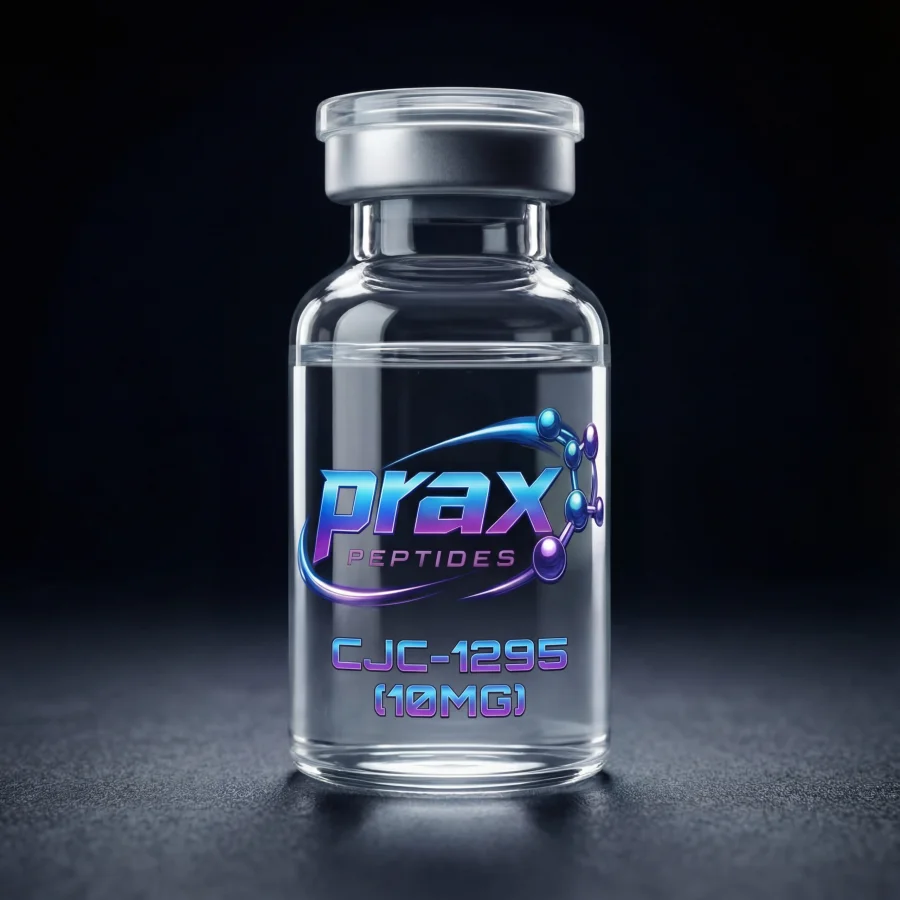
For researchers studying GHRH analogs, Prax Peptides offers standalone CJC-1295 (10MG) for protocols requiring the individual compound.
What Is Ipamorelin and How Does It Work?
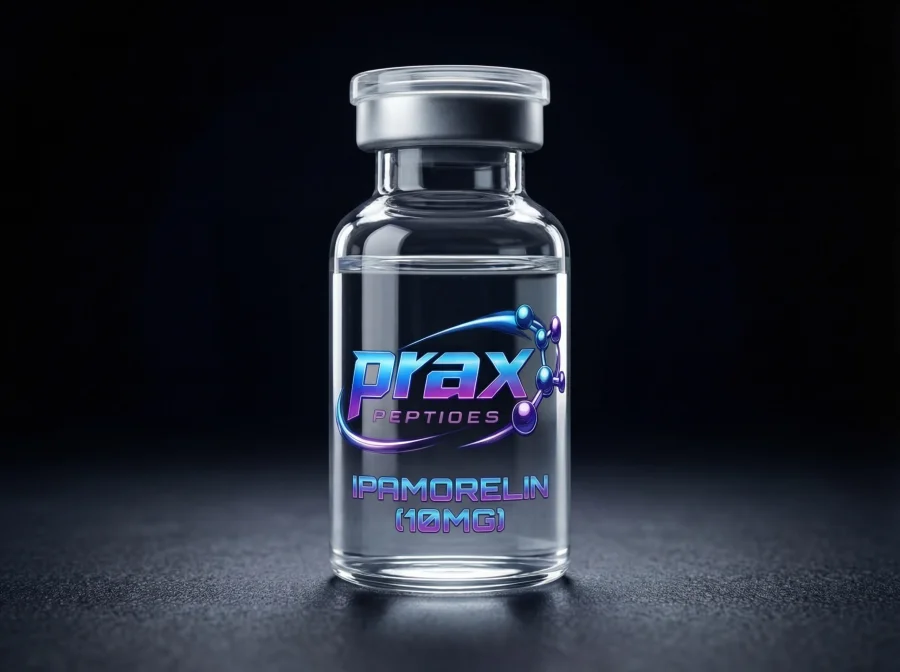
Ipamorelin is a selective growth hormone secretagogue that works through the ghrelin receptor (GHS-R1a). Unlike CJC-1295, which mimics GHRH signaling, Ipamorelin mimics ghrelin — the “hunger hormone” — but with a key distinction: Ipamorelin is highly selective for growth hormone release and does not significantly increase cortisol, prolactin, or aldosterone at standard research doses.
This selectivity is what makes Ipamorelin stand out among growth hormone secretagogues. Older compounds like GHRP-6 and GHRP-2 also stimulate growth hormone through the ghrelin receptor but tend to produce more pronounced increases in appetite, cortisol, and prolactin. Ipamorelin achieves robust GH release with a cleaner side effect profile, making it particularly attractive for research protocols where isolating the effects of growth hormone is important.
Why Combine CJC-1295 and Ipamorelin? The Synergy Explained
The reason researchers combine CJC-1295 and Ipamorelin comes down to synergistic amplification of growth hormone release through dual-pathway activation.
Think of it this way: CJC-1295 acts like pressing the gas pedal on GH release by stimulating the GHRH receptor on the pituitary. Ipamorelin acts like releasing the brake by activating the ghrelin receptor, which amplifies GH secretion through a separate pathway. When both signals arrive simultaneously, the pituitary produces a significantly larger GH pulse than either compound would produce alone.
Published research has demonstrated that co-administration of GHRH analogs and ghrelin mimetics produces synergistic — not just additive — growth hormone responses. This means the combined effect is greater than the sum of the individual effects. For researchers studying GH physiology, this dual-pathway approach offers a powerful experimental tool.
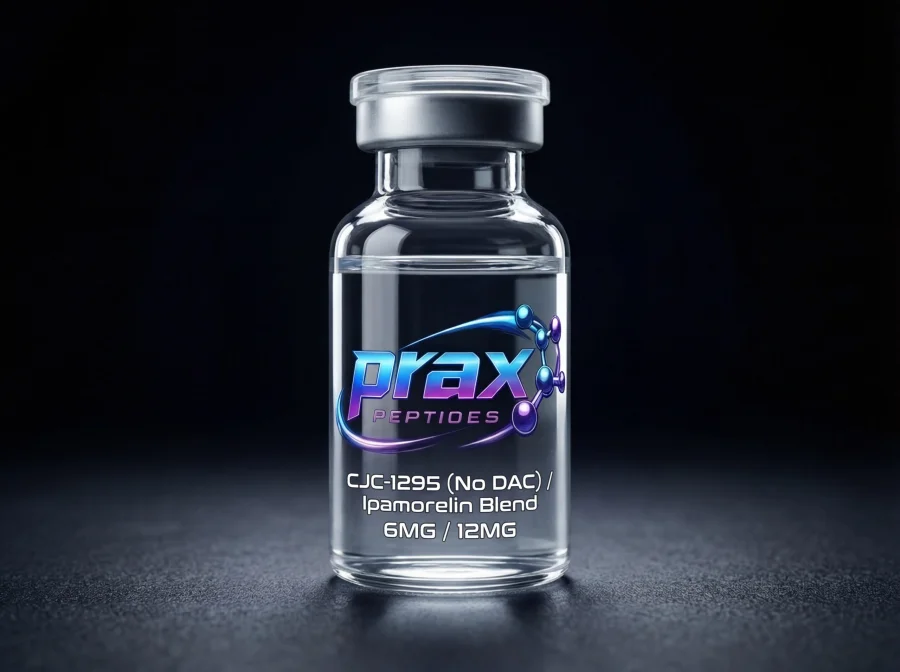
The Ipa / CJC Blend (10MG) provides both compounds in a single vial, pre-combined at research-standard ratios for convenience and protocol consistency.
What Does CJC-1295 Ipamorelin Do? Research-Backed Potential Benefits
The CJC-1295 and Ipamorelin combination has been studied across multiple domains. While human clinical data specific to this exact combination is still developing, the individual compounds and their mechanisms of action have been extensively characterized. Here are the primary areas of research interest.
Growth Hormone Optimization and Anti-Aging Research
Growth hormone levels decline progressively with age — a phenomenon sometimes called somatopause. By age 40, GH output may be 50% lower than peak levels in the early 20s. By 60, it may decline by 75% or more. This decline correlates with changes in body composition, skin quality, energy levels, cognitive function, and recovery capacity.
CJC-1295 and Ipamorelin are studied for their ability to restore more youthful GH pulsatility without replacing GH directly. This approach maintains the body’s natural feedback mechanisms — an important distinction from exogenous GH administration, which can suppress endogenous production and carries different risk profiles.
For researchers exploring the intersection of GH signaling and cellular aging, compounds like MOTS-C (10MG) offer complementary angles. MOTS-C is a mitochondrial-derived peptide studied for metabolic regulation and exercise-mimetic effects — targeting cellular energy pathways that GH secretagogues do not directly address.
Body Composition: Fat Loss and Lean Mass Research
One of the most commonly searched topics around CJC-1295 Ipamorelin is its potential effect on body composition. Growth hormone is a potent lipolytic hormone — it promotes the breakdown of stored fat for energy. It also supports nitrogen retention and protein synthesis, which are essential for maintaining and building lean tissue.
Preclinical and clinical research on GH secretagogues has demonstrated improvements in fat-free mass, reductions in visceral adipose tissue, and favorable shifts in body composition ratios. The CJC-1295 Ipamorelin combination is of particular interest because the synergistic GH pulse may amplify these lipolytic and anabolic signaling effects compared to either compound alone.
Researchers studying body composition from a hormonal angle may also explore Tesamorelin (10MG), which is an FDA-approved GHRH analog specifically studied for visceral fat reduction in certain clinical populations.
Sleep Quality and Deep Sleep Research
One of the most frequently reported observations in GH secretagogue research is improved sleep quality — particularly deeper, more restorative sleep. This is not coincidental. The largest natural GH pulse occurs during slow-wave (deep) sleep, typically within the first 90 minutes after falling asleep. GH and sleep have a bidirectional relationship: deep sleep triggers GH release, and GH signaling in turn supports the physiological processes that occur during deep sleep.
Researchers have hypothesized that CJC-1295 and Ipamorelin administered in the evening may enhance this natural nocturnal GH pulse, potentially improving sleep architecture and increasing time spent in restorative slow-wave sleep stages. While controlled human sleep studies with this specific combination are limited, the mechanistic rationale is well-supported by existing GH physiology literature.
Recovery, Tissue Repair, and Joint Health
Growth hormone plays a well-established role in tissue repair, collagen synthesis, and recovery from physical stress. GH stimulates the hepatic production of IGF-1 (insulin-like growth factor 1), which mediates many of GH’s anabolic and reparative effects throughout the body — including in tendons, ligaments, cartilage, and bone.
This makes the CJC-1295 Ipamorelin combination relevant to recovery and musculoskeletal health research. The synergistic GH pulse produced by dual-pathway activation may support enhanced IGF-1 signaling compared to single-compound protocols, offering researchers a tool for studying recovery physiology in controlled settings.
Skin, Hair, and Connective Tissue
Growth hormone influences collagen turnover, skin thickness, and connective tissue integrity. The age-related decline in GH correlates with thinning skin, reduced elasticity, slower wound healing, and changes in hair quality. Researchers studying the dermatological effects of GH optimization often explore secretagogue protocols as a way to restore more youthful GH signaling without the complexities of direct GH replacement.
Cognitive Function and Neuroprotection
Both GH and IGF-1 receptors are expressed in the brain, particularly in regions associated with memory, learning, and neuroprotection. Preclinical research has demonstrated that IGF-1 signaling supports neurogenesis, synaptic plasticity, and neuronal survival. The age-related decline in GH/IGF-1 has been associated with cognitive decline in observational studies, making GH secretagogues an area of interest in neuroscience research — though direct causal evidence from human trials remains limited.
CJC-1295 Ipamorelin vs. Other Growth Hormone Peptides
Understanding how CJC-1295 Ipamorelin compares to alternatives helps researchers select the right tools for their specific questions.
CJC-1295 Ipamorelin vs. Tesamorelin
Tesamorelin is a GHRH analog like CJC-1295 but with a different chemical structure (it includes a trans-3-hexenoic acid modification). Tesamorelin has FDA approval for the reduction of excess abdominal fat in HIV-associated lipodystrophy, making it the most clinically validated GHRH analog. However, it targets only the GHRH pathway — it does not include ghrelin-receptor activation like the CJC/Ipa combination provides.
CJC-1295 Ipamorelin vs. GHRP-6
GHRP-6 is an older ghrelin mimetic that produces strong GH release but with significant appetite stimulation and increases in cortisol and prolactin. Ipamorelin offers comparable GH release with substantially fewer off-target effects, which is why most modern research protocols have shifted toward Ipamorelin over GHRP-6.
CJC-1295 Ipamorelin vs. MK-677 (Ibutamoren)
MK-677 is an oral growth hormone secretagogue that activates the ghrelin receptor similarly to Ipamorelin. Its primary advantage is oral bioavailability — no injection required. However, MK-677 produces a sustained, non-pulsatile GH elevation over 24 hours, which differs from the pulsatile release pattern produced by CJC-1295 Ipamorelin. MK-677 also tends to increase appetite more significantly and may affect insulin sensitivity with prolonged use. Researchers choose between these based on whether pulsatile vs. sustained GH elevation better suits their experimental design.
CJC-1295 Ipamorelin vs. Sermorelin
Sermorelin is the original GHRH analog — a 29-amino-acid fragment of native GHRH. CJC-1295 was developed as an improvement on sermorelin with enhanced stability and a longer duration of action. While sermorelin is still used in some clinical settings, CJC-1295 has largely replaced it in research protocols due to superior pharmacokinetic properties.
Potential Side Effects and Safety Considerations
CJC-1295 and Ipamorelin are generally considered to have favorable safety profiles in published research, but potential side effects and considerations include water retention and mild edema (particularly at higher doses, consistent with GH-mediated fluid shifts), injection site reactions such as redness, itching, or mild discomfort, transient flushing or warmth following administration, headache in some research subjects, tingling or numbness in extremities (paresthesia, associated with GH activity), and potential effects on blood glucose and insulin sensitivity with prolonged use.
Researchers should also be aware that any protocol that increases GH and IGF-1 carries theoretical concerns regarding proliferative effects on existing neoplastic tissue. While GH secretagogues do not cause cancer, they could theoretically promote the growth of existing tumors through IGF-1 signaling. This is an important consideration in experimental design and subject selection.
How Researchers Use CJC-1295 Ipamorelin: Administration and Protocol Design
In research settings, CJC-1295 and Ipamorelin are typically administered via subcutaneous injection. The combination can be sourced as individual compounds — CJC-1295 and Ipamorelin — or as a pre-combined blend. Prax Peptides offers the Ipa / CJC Blend (10MG) for researchers who want protocol consistency without the need to reconstitute and measure two separate compounds.
For reconstitution guidance, our Peptide Calculator helps researchers calculate precise dilution ratios and dosing volumes based on their specific vial concentrations and target doses.
Frequently Asked Questions
What does CJC-1295 Ipamorelin do?
CJC-1295 and Ipamorelin work together to stimulate growth hormone release through two complementary pathways — GHRH receptor activation (CJC-1295) and ghrelin receptor activation (Ipamorelin). This dual mechanism produces synergistic GH pulses that researchers study for potential effects on body composition, recovery, sleep, and age-related hormonal decline.
What is the difference between CJC-1295 with DAC and without DAC?
CJC-1295 with DAC has an extended half-life of 6 to 8 days due to albumin binding, producing sustained GH elevation. CJC-1295 without DAC has a shorter half-life of approximately 30 minutes, producing a more natural pulsatile GH release. Most research protocols prefer the no-DAC version because pulsatile GH release more closely mimics normal physiology.
Is CJC-1295 Ipamorelin better than HGH?
These are fundamentally different approaches. Exogenous HGH directly replaces growth hormone and can suppress natural production through negative feedback. CJC-1295 Ipamorelin stimulates the body’s own GH production, maintaining natural pulsatility and feedback mechanisms. Researchers choose between these approaches based on their specific experimental questions and the physiological model they are studying.
How long does it take to see results from CJC-1295 Ipamorelin?
In research settings, acute GH elevation is measurable within 15 to 30 minutes of administration. Downstream effects on IGF-1 levels typically develop over days to weeks. Changes in body composition, sleep quality, and recovery capacity — as reported in preclinical and preliminary clinical studies — generally emerge over weeks to months of consistent protocol administration.
Can CJC-1295 Ipamorelin be combined with other peptides?
Many research protocols explore CJC-1295 Ipamorelin alongside other compounds that target different pathways. Tesamorelin addresses visceral fat through GHRH signaling, MOTS-C targets mitochondrial metabolism, and tissue repair compounds like BPC-157 work through entirely separate mechanisms. Researchers should design combination protocols based on their specific research questions and review relevant literature on compound interactions.
Where can I buy CJC-1295 Ipamorelin for research?
Prax Peptides offers research-grade Ipa / CJC Blend (10MG), standalone CJC-1295 (10MG), and standalone Ipamorelin (10MG) — all with 99%+ purity verification, third-party testing, and full certificate of analysis documentation. Browse our complete research peptide catalog.
The Bottom Line on CJC-1295 Ipamorelin Research
The CJC-1295 and Ipamorelin combination represents one of the most well-characterized growth hormone secretagogue protocols in peptide research. Its dual-pathway mechanism produces synergistic GH release that more closely approximates youthful GH pulsatility than either compound alone. The research landscape spans body composition, sleep physiology, recovery, neuroprotection, and anti-aging — making this combination relevant to a wide range of scientific disciplines.
As with all research compounds, the evidence base continues to develop. The mechanistic rationale is strong, the preclinical data is promising, and human studies are increasingly adding to our understanding of what CJC-1295 Ipamorelin can and cannot do. For researchers ready to explore this area, high-purity compounds and proper protocol design are the foundation of meaningful results.
Disclaimer: This article is intended for educational and informational purposes only. CJC-1295, Ipamorelin, and all compounds mentioned are sold strictly for research purposes. Nothing in this article constitutes medical advice. Always consult qualified healthcare professionals for medical decisions.
Featured Research Peptides
Lab-tested. 99%+ purity. 30-day quality guarantee.