Important: All compounds discussed in this article are intended for laboratory research use only. They are not intended for human consumption. Nothing in this article constitutes medical advice or a recommendation for personal use.
What Is a Peptide Calculator and Why Do Researchers Need One?
A peptide calculator is a tool that helps researchers determine how much bacteriostatic water to add to a lyophilized peptide vial and how to measure precise doses using an insulin syringe. Whether you call it a peptide reconstitution calculator, a peptide dosing calculator, a peptide mixing calculator, or a peptide dilution calculator — the purpose is the same: converting milligrams of peptide into measurable units on a syringe.
This matters because peptide research requires precision. A 250mcg dose of BPC-157 is very different from a 500mcg dose, and the difference comes down to simple math — math that’s easy to get wrong when you’re converting between milligrams, micrograms, milliliters, and insulin units.
Free Tool
Peptide Reconstitution Calculator
Convert vial strength, water volume, and reference quantity into precise syringe units. Works for BPC-157, TB-500, GHK-Cu, and all research peptides.
Try the Calculator →The Prax Peptides Peptide Calculator eliminates these errors entirely. Input your vial size, water volume, and desired dose — it returns the exact number of units to draw on your syringe.
How Peptide Reconstitution Works: The Basics
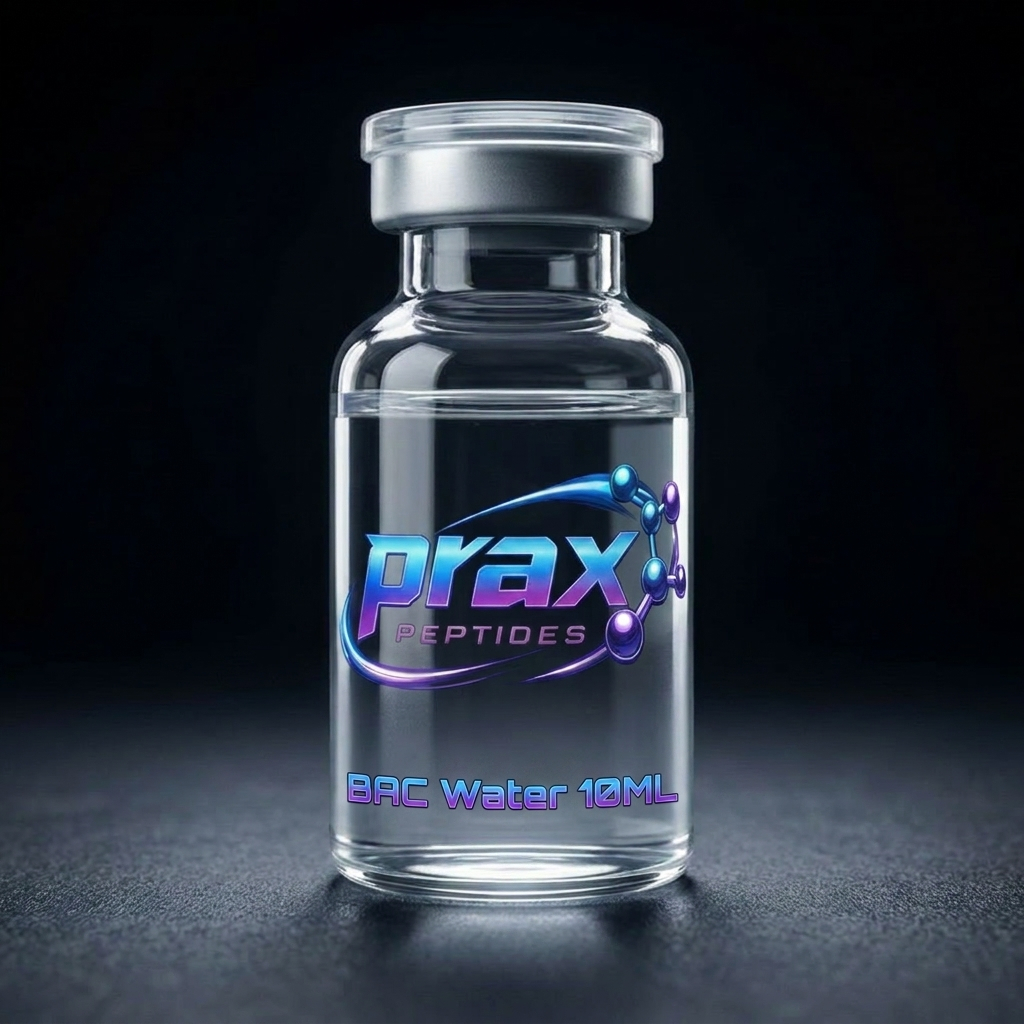
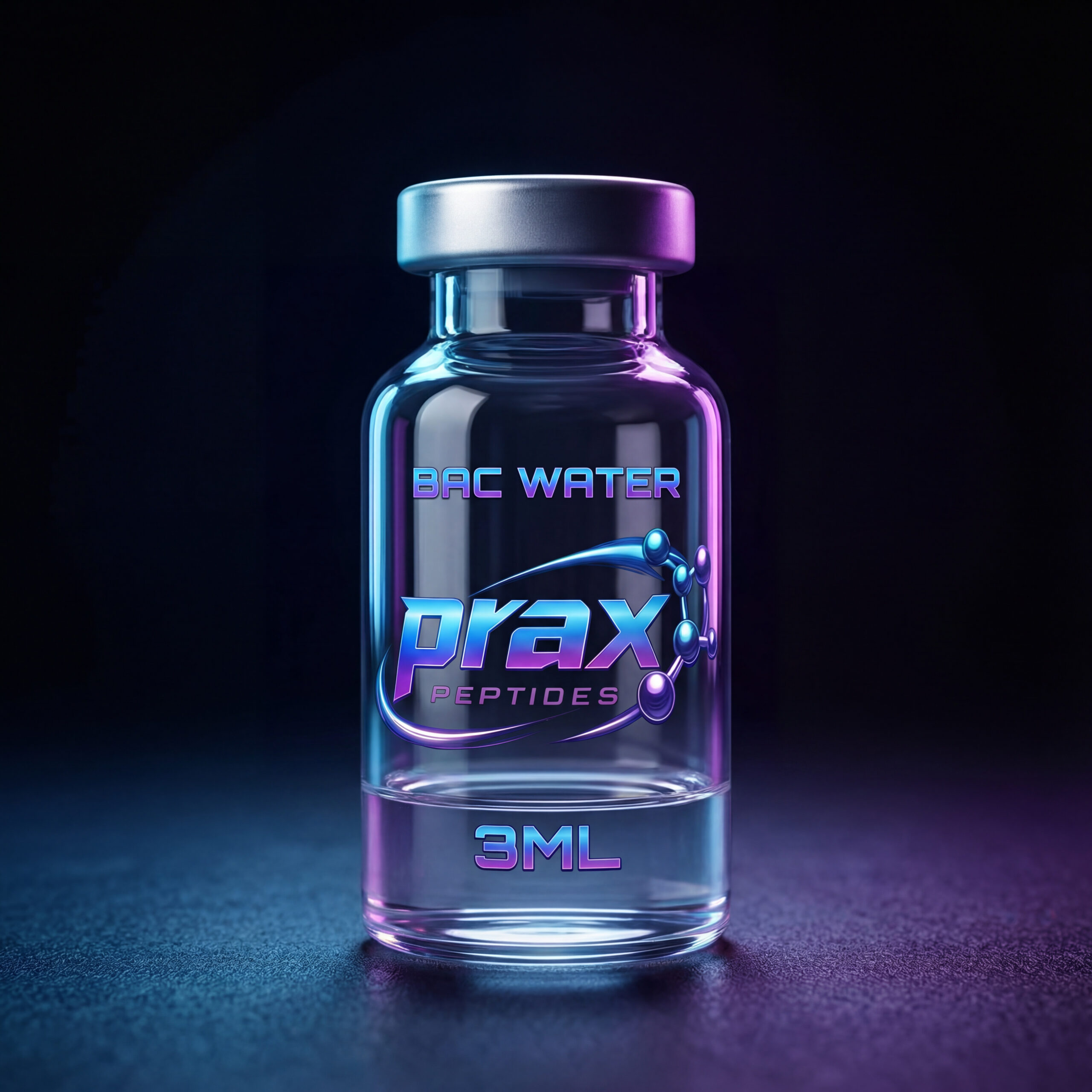
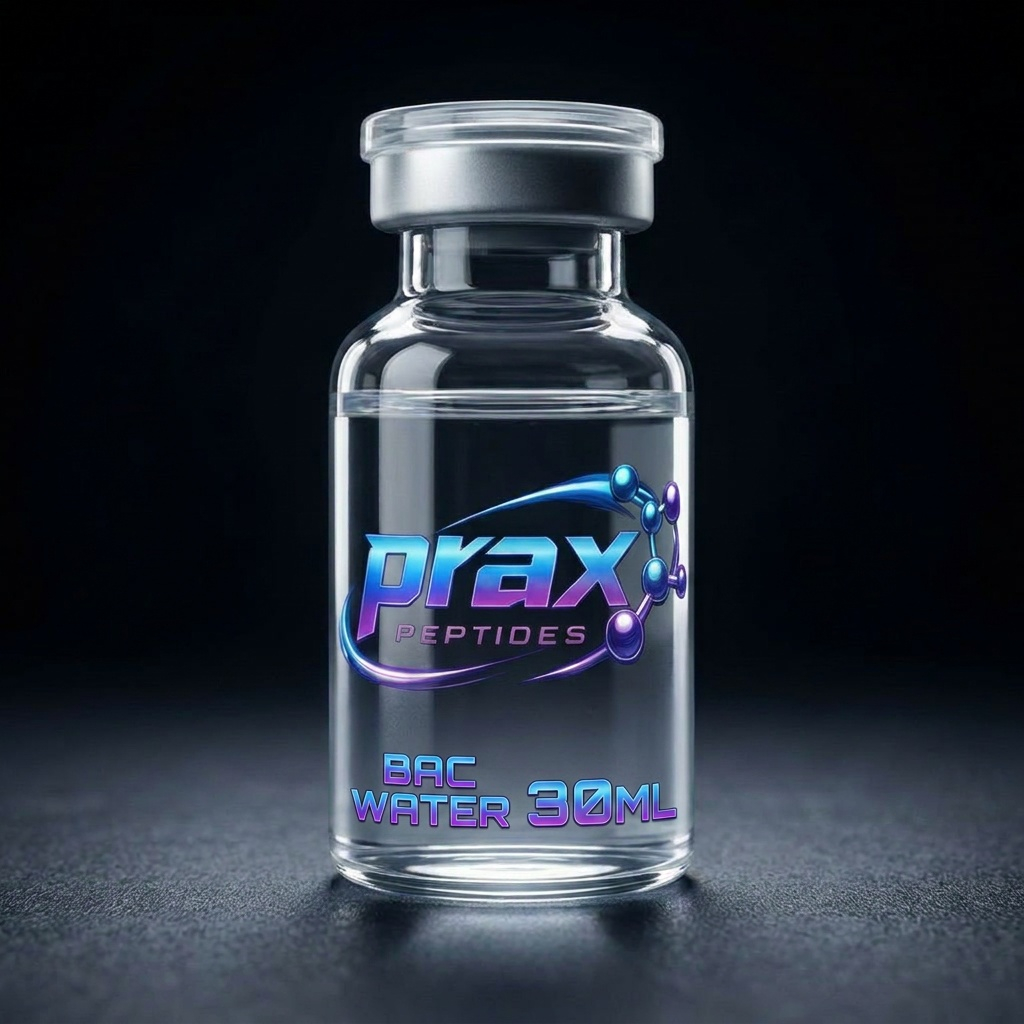
Before using any peptide calculator, it helps to understand what you’re calculating. Reconstitution is the process of adding bacteriostatic water (BAC water) to a lyophilized (freeze-dried) peptide powder to create an injectable solution.
Here’s the basic formula:
Concentration = Peptide Amount (mg) ÷ Water Volume (mL)
For example: A 10mg vial of BPC-157 reconstituted with 2mL of BAC water gives you a concentration of 5mg/mL, or 5,000mcg/mL.
Since a standard insulin syringe holds 1mL (100 units), each unit on the syringe equals 50mcg. To draw 250mcg, you’d pull to the 5-unit mark.
Simple enough in this example — but the math gets trickier with different vial sizes, water volumes, and multi-peptide blends. That’s where a peptide calculator becomes essential.
What You Need for Reconstitution
Peptide Calculator Apps: What’s Available in 2026
The peptide research community has seen an explosion of peptide calculator apps and tools. Here’s what’s out there and how they compare:
Web-Based Peptide Calculators
Web-based calculators like the Prax Peptides Peptide Calculator run directly in your browser with no download required. They’re the most accessible option — just visit the page, enter your numbers, and get your answer instantly.
Advantages: No app installation needed, works on any device (phone, tablet, desktop), always up to date, no storage space required, free to use.
Best for: Quick calculations, researchers who don’t want to install apps, first-time peptide reconstitution.
Mobile Peptide Calculator Apps
Several peptide calculator apps have appeared on iOS and Android app stores in recent months. These include apps like PeptideCal, ReconCalc, and various “peptide dosage calculator” apps. They typically offer the same basic reconstitution math as web calculators but packaged as a downloadable app.
Advantages: Work offline, some include peptide databases with pre-loaded compound info, push notification reminders for dosing schedules.
Disadvantages: Require download and storage space, some contain ads, privacy concerns with data collection, some charge subscription fees for basic features, many are poorly maintained and contain outdated information.
Best for: Researchers who want offline access or dosing schedule reminders.
Spreadsheet-Based Calculators
Some researchers build their own peptide dilution calculators in Google Sheets or Excel. These offer maximum customization but require some spreadsheet knowledge to set up correctly.
Advantages: Fully customizable, can track multiple compounds simultaneously, no third-party data sharing.
Disadvantages: Prone to formula errors, no built-in validation, requires setup time.
Best for: Advanced researchers managing complex multi-compound protocols.
What Makes a Good Peptide Calculator?
Not all peptide calculators are created equal. When evaluating any peptide reconstitution calculator — whether it’s a web tool, an app, or a spreadsheet — here’s what to look for:
Accurate Syringe Unit Conversion
The most critical function. The calculator must correctly convert your desired dose (in mcg or mg) to insulin syringe units (IU) based on the concentration you’ve created. A good peptide dosing calculator handles this conversion without requiring you to understand the underlying math.
Multiple Syringe Size Support
Not everyone uses 1mL (100-unit) insulin syringes. Some protocols call for 0.5mL (50-unit) or 0.3mL (30-unit) syringes. A quality peptide calculator supports all common syringe sizes.
Flexible Input Options
You should be able to input peptide amounts in milligrams (mg) or micrograms (mcg), and water volumes in milliliters (mL). The best calculators let you work in whatever units you prefer.
Clear, Readable Output
The result should be unambiguous. “Draw to the 5-unit mark” is clearer than “0.05mL” for most researchers using insulin syringes. The Prax Peptides calculator provides results in the format researchers actually use.
No Hidden Fees or Data Collection
Many app-store peptide calculators collect user data, serve ads, or lock basic features behind a paywall. A good calculator is free, private, and doesn’t require account creation.
Common Peptide Calculator Searches — Answered
Here are the most frequently searched peptide calculator questions, with direct answers:
How do I calculate peptide reconstitution?
Divide the total peptide amount (mg) by the volume of BAC water you add (mL) to get your concentration (mg/mL). Then divide your desired dose by that concentration to find the volume to inject. Or simply use the Prax Peptides calculator to skip the math entirely.
How much bacteriostatic water do I add to a 10mg peptide vial?
There’s no single answer — it depends on your desired concentration and dose. Adding 1mL gives you 10mg/mL (very concentrated). Adding 2mL gives you 5mg/mL. Adding 5mL gives you 2mg/mL. More water means each unit on your syringe delivers a smaller dose, which can make very small doses easier to measure accurately.
How many units is 250mcg of BPC-157?
It depends on your reconstitution ratio. With a 10mg vial + 2mL BAC water: concentration is 5mg/mL (5,000mcg/mL). Since 1mL = 100 units, each unit = 50mcg. So 250mcg = 5 units. Use the peptide calculator to verify your specific setup.
What’s the difference between a peptide calculator and a peptide reconstitution calculator?
They’re the same thing. “Peptide calculator,” “peptide reconstitution calculator,” “peptide dosing calculator,” “peptide mixing calculator,” and “peptide dilution calculator” all refer to tools that help you reconstitute and dose peptides accurately.
Is there a free peptide calculator app?
Yes. The Prax Peptides Peptide Calculator is completely free, requires no download, and works on any device. Several mobile apps are also free but may contain ads or limited features.
Peptide-Specific Reconstitution Examples
Here are reconstitution examples for some of the most commonly researched peptides, with links to purchase high-purity research compounds:
BPC-157 Reconstitution
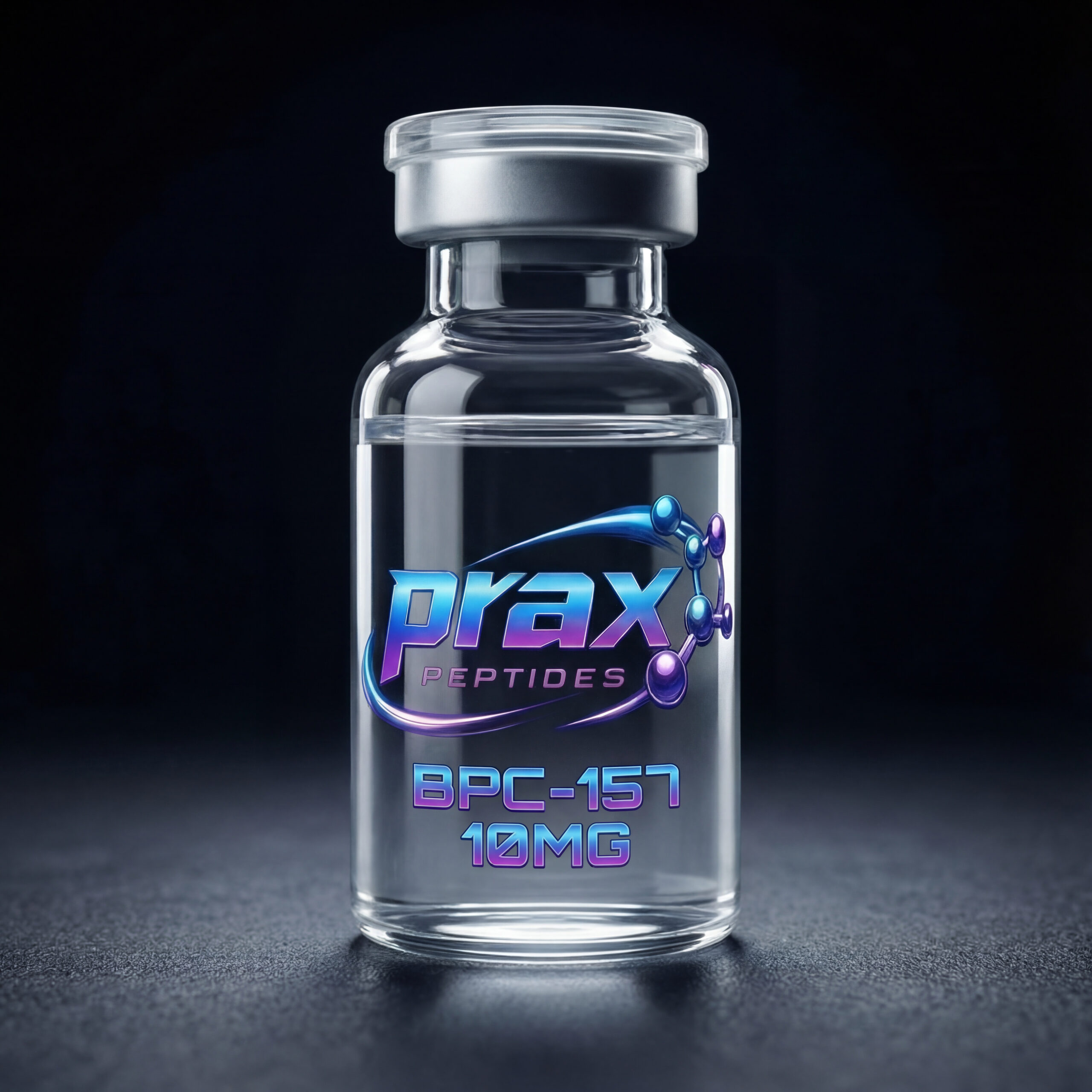
Typical research reconstitution: 10mg vial + 2mL BAC water = 5mg/mL
Common research dose: 250mcg = 5 units on a 100-unit syringe
Calculate your exact dose →
Ipamorelin / CJC-1295 No DAC Reconstitution
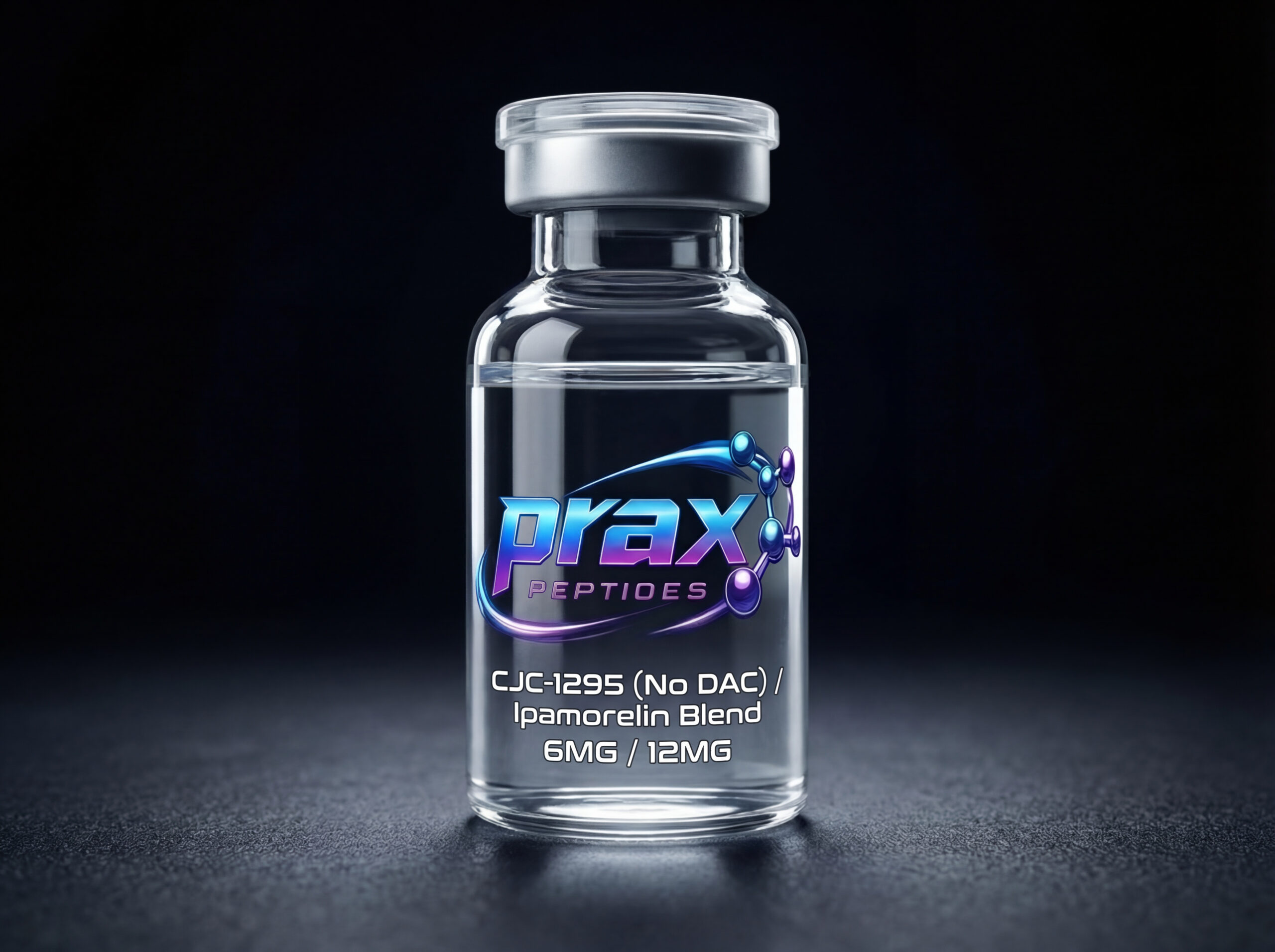
This blend contains two peptides at different concentrations. The calculator handles the math for blends seamlessly.
Calculate your exact dose →
Tesamorelin Reconstitution
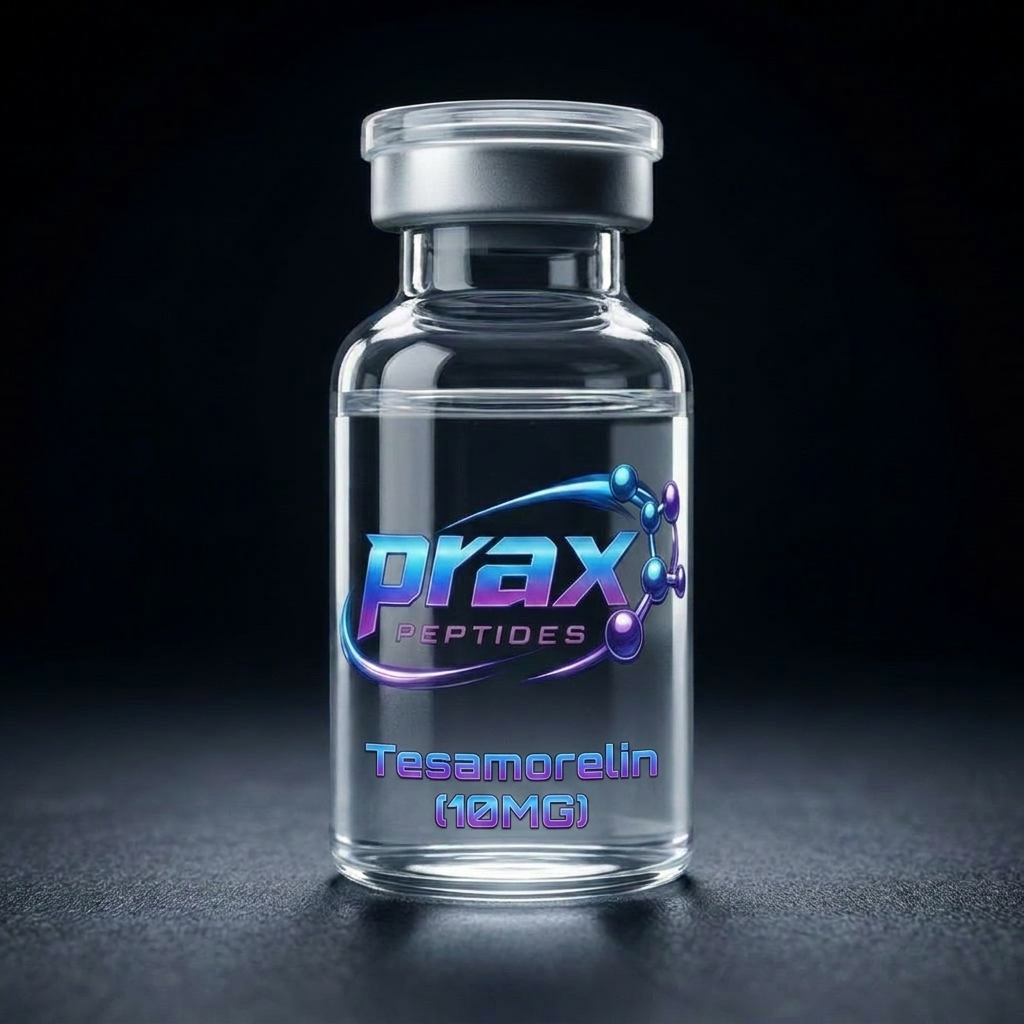
Typical research reconstitution: 10mg vial + 2mL BAC water = 5mg/mL
Calculate your exact dose →
TB-500 Reconstitution

Typical research reconstitution: 10mg vial + 2mL BAC water = 5mg/mL
Calculate your exact dose →
GHK-Cu Reconstitution

Higher concentration vial — the calculator is especially useful here for precise dilution math.
Calculate your exact dose →
Wolverine Blend Reconstitution
Multi-peptide blend — use the calculator to determine dosing for the combined formulation.
Calculate your exact dose →
MOTS-c Reconstitution
Typical research reconstitution: 10mg vial + 1mL BAC water = 10mg/mL
Calculate your exact dose →
NAD+ Reconstitution
Higher dose compound — precision reconstitution is critical for accurate research dosing.
Calculate your exact dose →
Peptide Calculator Tips for Better Research
Tip 1: Use More Water for Smaller Doses
If your research protocol calls for very small doses (under 100mcg), use more BAC water during reconstitution. This dilutes the solution and makes small doses easier to measure accurately on an insulin syringe. The peptide calculator will adjust accordingly.
Tip 2: Always Use Bacteriostatic Water
Never use regular sterile water for peptide reconstitution if you plan to use the vial over multiple sessions. Bacteriostatic water contains 0.9% benzyl alcohol, which prevents bacterial growth and keeps your reconstituted peptide stable for weeks. Sterile water has no preservative and should only be used for single-use preparations.
Tip 3: Record Your Reconstitution
Write down the peptide amount, water volume, reconstitution date, and storage conditions for every vial. This log makes it easy to verify doses and troubleshoot if something doesn’t add up later.
Tip 4: Check Your Math Twice
Even with a peptide calculator, double-check by running the numbers a second time. A reconstitution error means every subsequent dose from that vial will be wrong — either too much or too little. The Prax Peptides calculator makes this verification quick.
Tip 5: Store Reconstituted Peptides Properly
After reconstitution, store your peptide solution in the refrigerator (36–46°F / 2–8°C). Never freeze reconstituted peptides. Most reconstituted peptides remain stable for 4–6 weeks when stored properly with bacteriostatic water.
Why Prax Peptides Built a Free Peptide Calculator
We built the Prax Peptides Peptide Calculator because accurate dosing is the foundation of reliable research. Bad math leads to bad data. Our calculator is free, requires no account, collects no personal information, and works on every device.
It handles every peptide in our catalog — from simple single-compound vials to complex blends — and converts your desired dose directly to insulin syringe units. No ads, no subscriptions, no hidden features behind a paywall.
Pair the calculator with our 99%+ purity peptides and full certificate of analysis documentation, and you have everything you need for precise, reproducible research.
Try the Peptide Calculator now → | Browse all research peptides →
Disclaimer: This article is intended for educational and informational purposes only. All peptides and compounds mentioned are sold strictly for laboratory research purposes. They are not intended for human consumption. Nothing in this article constitutes medical advice. Always consult qualified healthcare professionals for medical decisions.
All compounds discussed in this article are intended strictly for in-vitro research and laboratory use only. They are not intended for human consumption, veterinary use, or any clinical application. Researchers are responsible for ensuring compliance with all applicable regulations in their jurisdiction.