Semaglutide—marketed as Ozempic and Wegovy—transformed the weight loss landscape. But a growing number of researchers believe we are already entering the post-Ozempic era. The compound drawing the most attention? Retatrutide, a triple-hormone receptor agonist that targets GLP-1, GIP, and glucagon receptors simultaneously. Early clinical data suggests it may outperform every single-target GLP-1 drug on the market.
This article examines the preclinical and clinical evidence comparing retatrutide to semaglutide, explains the mechanism behind the hype, and explores what a next-generation metabolic research compound could mean for metabolic research.
Where Ozempic Falls Short: The Limitations of Single-Target GLP-1 Agonists
Semaglutide works by mimicking the GLP-1 hormone, slowing gastric emptying, reducing appetite, and improving insulin signaling. For many patients, this produces meaningful weight loss—typically 12–15% of body weight over 68 weeks in the STEP trials.
Free Tool
Peptide Reconstitution Calculator
Convert vial strength, water volume, and desired dose into precise syringe units. Works for BPC-157, TB-500, GHK-Cu, and all research peptides.
Try the Calculator →But single-target GLP-1 therapy has well-documented limitations. Weight loss often plateaus after 9–12 months. Approximately 30–40% of the weight lost consists of lean muscle mass rather than fat alone. Many patients regain weight after discontinuation, sometimes exceeding their original baseline. Additionally, reported adverse events in literature like nausea, vomiting, and gastroparesis can limit adherence.
These constraints are not flaws in semaglutide per se—they reflect the inherent ceiling of targeting one receptor in a complex metabolic system. Researchers have long hypothesized that multi-receptor approaches could push past this ceiling.
Why Researchers Are Calling Retatrutide Stronger Than Ozempic
The Phase 2 trial data published in the New England Journal of Medicine (2023) stunned the obesity research community. At the highest dose (12 mg), participants receiving retatrutide lost an average of 24.2% of body weight over 48 weeks—nearly double what semaglutide achieves in a comparable timeframe.
Even more remarkable: participants had not yet plateaued at the study endpoint, suggesting the full weight loss potential of retatrutide may be even greater. No other obesity compound in clinical development has demonstrated this magnitude of effect.
For researchers studying metabolic intervention compounds, retatrutide represents a fundamentally different class of molecule. If you are investigating triple-receptor mechanisms in your research, Reta GLP-3R is available for laboratory study.
Head-to-Head: Retatrutide vs Semaglutide by the Numbers
While no direct head-to-head trial has been completed, comparing results from their respective Phase 2 studies reveals a striking divergence:
| Metric | Semaglutide (Ozempic/Wegovy) | Retatrutide |
|---|---|---|
| Receptor Targets | GLP-1 only | GLP-1 + GIP + Glucagon |
| Peak Weight Loss (Phase 2) | ~14.9% at 68 weeks | ~24.2% at 48 weeks |
| Weight Loss Plateau | Typically 9–12 months | Not yet observed at 48 weeks |
| preclinical body-composition pathways | 30–40% lean mass loss | Potentially more fat-selective (under study) |
| Administration | Weekly subcutaneous injection | Weekly subcutaneous injection |
The magnitude of difference—achieving greater results in less time—is what has researchers describing retatrutide as a generational leap rather than an incremental improvement.
The Triple Agonist Advantage: How Three Receptors Outperform One
Understanding why retatrutide may outperform Ozempic requires understanding what each receptor contributes:
GLP-1 receptor activation suppresses appetite, slows gastric emptying, and enhances insulin secretion. This is the mechanism Ozempic relies on exclusively.
GIP receptor activation amplifies the GLP-1 effect on insulin signaling and may improve fat tissue metabolism. Tirzepatide (Mounjaro) demonstrated the power of dual GLP-1/GIP agonism with 22.5% weight loss in trials. Researchers investigating dual-agonist mechanisms can explore Tirz GLP-2 for laboratory applications.
Glucagon receptor activation is the differentiator. Glucagon directly increases energy expenditure by stimulating hepatic fat oxidation and thermogenesis. Rather than simply reducing calorie intake (as GLP-1 drugs do), glucagon agonism actively increases the rate at which the body burns stored fat.
This triple mechanism means retatrutide attacks obesity from three angles simultaneously: reducing appetite, improving metabolic hormone signaling, and actively increasing energy expenditure. No single-target or even dual-target drug can replicate this combined effect.
The Post-Ozempic Era: What Comes After First-Generation GLP-1 Drugs
The trajectory of obesity pharmacotherapy mirrors other fields where first-generation drugs give way to more targeted successors. Ozempic was revolutionary—but it was also the beginning, not the endpoint.
Several compounds are competing to define the next generation, but retatrutide stands out for two reasons. First, the magnitude of weight loss is unmatched in clinical data. Second, the triple-receptor mechanism addresses specific shortcomings of GLP-1 monotherapy, particularly the metabolic slowdown and lean mass loss that limit long-term outcomes.
Researchers are also investigating how peptides that support metabolic function from other angles—such as growth hormone regulation and mitochondrial protection—might complement next-generation metabolic research compounds. Two areas drawing particular interest are visceral adipose tissue (research) reduction and cellular energy optimization.
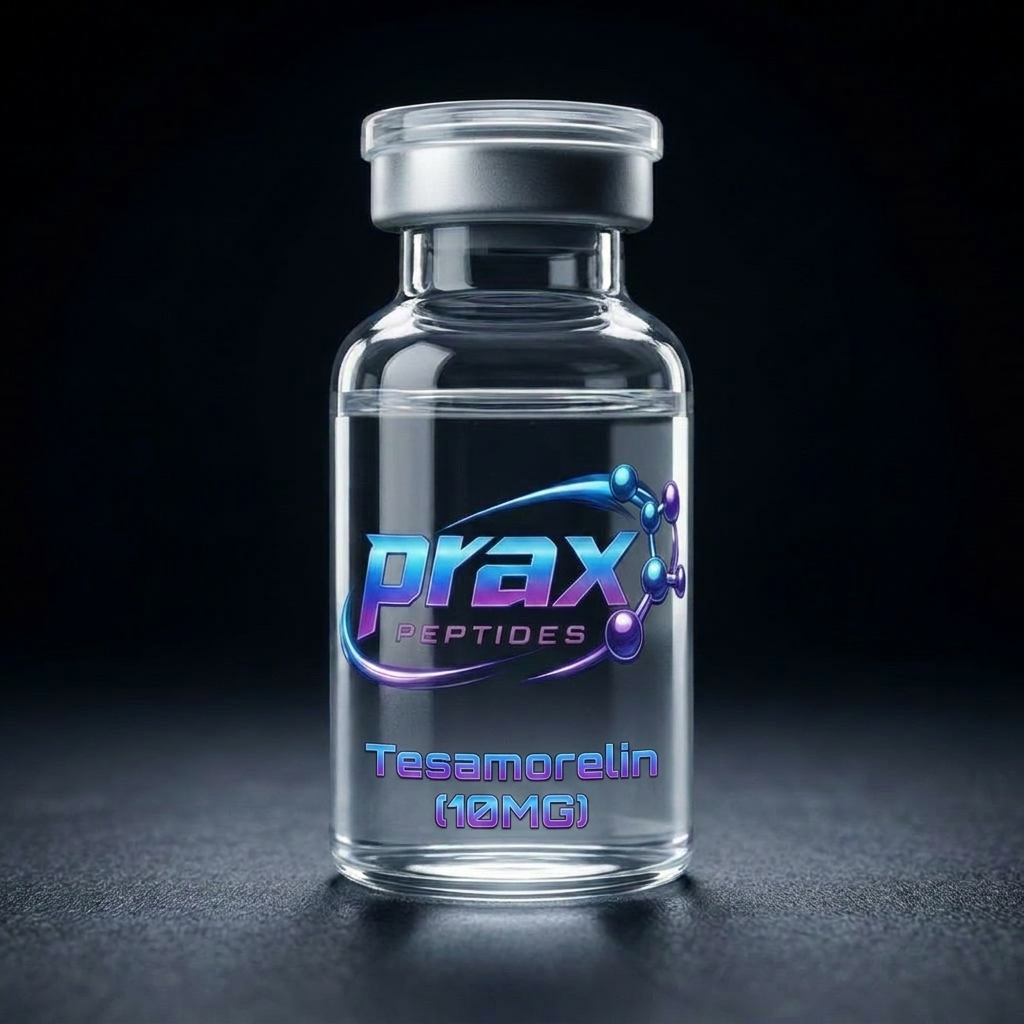
Tesamorelin, a growth hormone-releasing hormone analog, has demonstrated significant reduction in visceral adipose tissue in clinical research. MOTS-c, a mitochondrial-derived peptide, is under investigation for its role in exercise mimicry and metabolic regulation.
Retatrutide FDA Approval Timeline: What Researchers Should Know
As of 2025, retatrutide is in Phase 3 clinical trials conducted by Eli Lilly. The Phase 2 results were strong enough to accelerate the development timeline, and most industry analysts expect FDA submission between late 2026 and mid-2027, with potential approval in 2027 or 2028.
Several Phase 3 studies are underway, including trials specifically examining retatrutide in patients with obesity and Type 2 diabetes, obstructive sleep apnea, and knee osteoarthritis related to obesity. The breadth of the Phase 3 program reflects confidence in the compound’s efficacy and safety profile.
For researchers conducting preclinical studies on triple-receptor compounds, the window before widespread clinical availability represents a critical period for generating foundational data.
Side Effect Comparison: Retatrutide vs Semaglutide Safety Profiles
Both compounds share the gastrointestinal side effect profile common to GLP-1 receptor agonists—nausea, diarrhea, vomiting, and constipation were the most frequently reported adverse events in both drug programs.
In the retatrutide Phase 2 trial, GI reported adverse events in literature were dose-dependent and most pronounced during the dose-escalation phase. At the highest dose (12 mg), approximately 35% of participants reported nausea compared to roughly 44% in comparable semaglutide trials. Discontinuation rates due to adverse events were relatively low in both programs.
One area of ongoing investigation is whether glucagon receptor activation introduces unique safety considerations, particularly regarding hepatic glucose output and potential hyperglycemic effects in diabetic populations. Phase 3 data will be critical for establishing the long-term safety profile.
Complementary Research Peptides for Metabolic Studies
Researchers investigating the next generation of metabolic compounds often study multiple peptides in parallel to understand how different mechanisms interact. Beyond the metabolic research compounds discussed above, several peptides are relevant to metabolic research:
SLU-PP-332, an ERR (estrogen-related receptor) agonist, is being studied for its potential to mimic the metabolic effects of endurance exercise without physical activity. Early preclinical data suggests it may increase mitochondrial biogenesis and fatty acid oxidation.
Ipamorelin and CJC-1295 remain important research tools for studying growth hormone secretagogue pathways and their relationship to preclinical body-composition pathways and fat metabolism.
Browse the full catalog of research peptides at our shop, or calculate precise research dosing with our peptide calculator.
Where to Source Research-Grade Retatrutide
For researchers investigating triple-receptor mechanisms, sourcing high-purity compounds is essential for generating reliable data. Prax Peptides offers research-grade Reta GLP-3R with third-party purity verification.
All compounds sold by Prax Peptides are intended strictly for in-vitro research and laboratory use only. They are not intended for human consumption, veterinary use, or any clinical application. Researchers are responsible for ensuring compliance with all applicable regulations in their jurisdiction.
Featured Research Peptides
Lab-tested. 99%+ purity. 30-day quality guarantee.