
Calculating BPC-157 dosage by body weight is the standard approach in research protocols. This guide covers weight-based dosing formulas, reconstitution concentrations, and practical measurement instructions for researchers preparing BPC-157 peptide for in-vitro and preclinical applications.
BPC-157 (Body Protection Compound-157) is one of the most researched synthetic peptides in the current scientific literature, with preclinical studies examining its effects on tissue repair, gut healing, and neuroprotection. For researchers working with this compound, understanding the dosing parameters used in published studies is essential for designing rigorous protocols.
This guide covers the dosage ranges, administration routes, and reconstitution considerations most commonly referenced in BPC-157 research.
Free Tool
Peptide Reconstitution Calculator
Convert vial strength, water volume, and reference dose into precise syringe units. Works for BPC-157, TB-500, GHK-Cu, and all research peptides.
Try the Calculator →What Is BPC-157?
BPC-157 is a 15-amino acid synthetic peptide derived from a protective protein found in gastric juice. Its full sequence is Gly-Glu-Pro-Pro-Pro-Gly-Lys-Pro-Ala-Asp-Asp-Ala-Gly-Leu-Val. The compound was first isolated and studied by researchers seeking to understand the gastric mucosal protective mechanisms of the body.
Published preclinical research has investigated BPC-157’s potential role in:
- Tendon and ligament repair (including studies on Achilles tendon and rotator cuff models)
- Inflammatory bowel disease and gut permeability
- Muscle healing and skeletal repair
- Neurological recovery and dopamine regulation
- Wound healing acceleration
BPC-157 Dosage in Preclinical Research
It is important to note that BPC-157 has not been approved for human use by the FDA or any other regulatory body, and all available data comes from preclinical (animal) studies. Dosing information below reflects parameters used in published research models only.
Rodent model dosages: The most commonly cited dose range in rat models is 1–10 mcg/kg administered either intraperitoneally or subcutaneously. Some studies have used doses as low as 0.01 mcg/kg and as high as 100 mcg/kg to establish dose-response relationships.
Oral administration models: Several studies have explored oral BPC-157 in drinking water at concentrations equivalent to approximately 10 mcg/kg/day. Research by Sikiric et al. has consistently shown activity via both systemic and oral routes, which is notable given that most peptides are degraded in the gastrointestinal tract.
Topical and local injection: Some tendon repair studies have administered BPC-157 at the injury site at doses of 100 ng/mL to 1 mcg/mL in solution.
Forms of BPC-157 Available for Research
Research-grade BPC-157 is available in two primary forms:
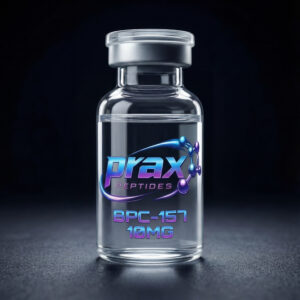
Injectable lyophilized powder (vials): Typically supplied as a sterile lyophilized powder in vials of 2mg, 5mg, or 10mg. This form requires reconstitution with bacteriostatic water before use. Vial-form BPC-157 is the most common format for injection-based research protocols.
Oral capsules: Some suppliers offer BPC-157 in pre-measured capsule form, which simplifies oral administration research. At Prax Peptides, BPC-157 is available as both a 10mg injectable vial and 250mcg oral capsules (60-count), all at 99%+ HPLC-verified purity.
Reconstituting BPC-157 for Research
When working with lyophilized BPC-157 vials, proper reconstitution is critical to maintaining compound integrity:
- Use bacteriostatic water (0.9% benzyl alcohol in sterile water) rather than sterile water alone, to preserve the reconstituted solution for longer periods.
- Inject the diluent slowly down the side of the vial — do not inject directly onto the peptide cake, as this can degrade the compound.
- Do not shake. Gently swirl the vial until the powder has fully dissolved.
- Calculate concentration carefully. For example, adding 2mL of bacteriostatic water to a 10mg vial produces a concentration of 5mg/mL (5,000 mcg/mL).
- Store reconstituted peptides refrigerated at 2–8°C and use within 30 days for optimal stability.
Stability and Storage Considerations
BPC-157 in lyophilized form is stable at room temperature for short periods but should be stored frozen for long-term preservation. Reconstituted BPC-157 is significantly more sensitive and should be kept refrigerated. Exposure to heat, light, and repeated freeze-thaw cycles degrades the peptide and reduces research validity.
For more detail on storage best practices, see our guide: How to Store Reconstituted Peptides.
Purity and Research Validity
The integrity of any peptide research depends heavily on the purity of the compound used. Studies using peptides with significant impurities risk confounded results and cannot be meaningfully compared to published literature. HPLC (High-Performance Liquid Chromatography) testing is the industry standard for confirming peptide purity — and the minimum acceptable threshold for legitimate research-grade material is typically considered to be 98%+.
At Prax Peptides, all BPC-157 products are HPLC-tested to 99%+ purity and manufactured in the USA, with temperature-controlled shipping to preserve compound integrity from facility to lab.
Frequently Asked Questions
Is BPC-157 approved for human use?
No. BPC-157 has not been approved by the FDA or any comparable regulatory authority for human therapeutic use. All available data comes from preclinical research. It is sold for research purposes only.
What solvent should be used to reconstitute BPC-157?
Bacteriostatic water (sterile water containing 0.9% benzyl alcohol) is the recommended diluent for BPC-157 reconstitution in research settings. This extends shelf life of the reconstituted solution.
How is BPC-157 different from TB-500?
BPC-157 and TB-500 (Thymosin Beta-4) are distinct compounds with different mechanisms. BPC-157 acts primarily through nitric oxide pathways and angiogenesis, while TB-500 works via actin regulation. They are often studied in combination in musculoskeletal repair models.
Where can I buy research-grade BPC-157?
For verified, HPLC-tested BPC-157 at 99%+ purity, Prax Peptides offers both injectable vials and oral capsules, manufactured in the USA and shipped temperature-controlled.

Browse research-grade BPC-157 and TB-500 and the Wolverine Blend in our full research catalog.
All compounds discussed in this article are intended strictly for in-vitro research and laboratory use only. They are not intended for human consumption, veterinary use, or any clinical application. Researchers are responsible for ensuring compliance with all applicable regulations in their jurisdiction.
Featured Research Peptides
Lab-tested. 99%+ purity. 30-day quality guarantee.